


Sponsored post
London’s theatre industry has always been built around the thrill of a live show, giving audiences that kick of anticipation and connection that they just can’t get enough of. From the dazzling lights of the West End to the imaginative productions staged at the National Theatre, audiences have long made the journey to the capital to experience something that just can’t be replicated anywhere else. That sense of apprehension before the curtain goes up, the reactions shared with hundreds of strangers and the infectious energy of a live cast remains at the very heart of what makes theatre so appealing.
Popular on LondonNet
While that’s still very much the case, the way people discover and get involved with theatre has changed, no question. The internet has transformed the industry’s relationship with its audiences, allowing productions to connect with people long before they decide to take the plunge and buy a ticket, and even after a show’s final curtain call. Social media and online streaming services have all become part of the theatre’s online ecosystem, in effect helping productions reach people who may have never even thought about attending a show before. And that’s created a whole new feel of inclusivity and possibility for everyone.
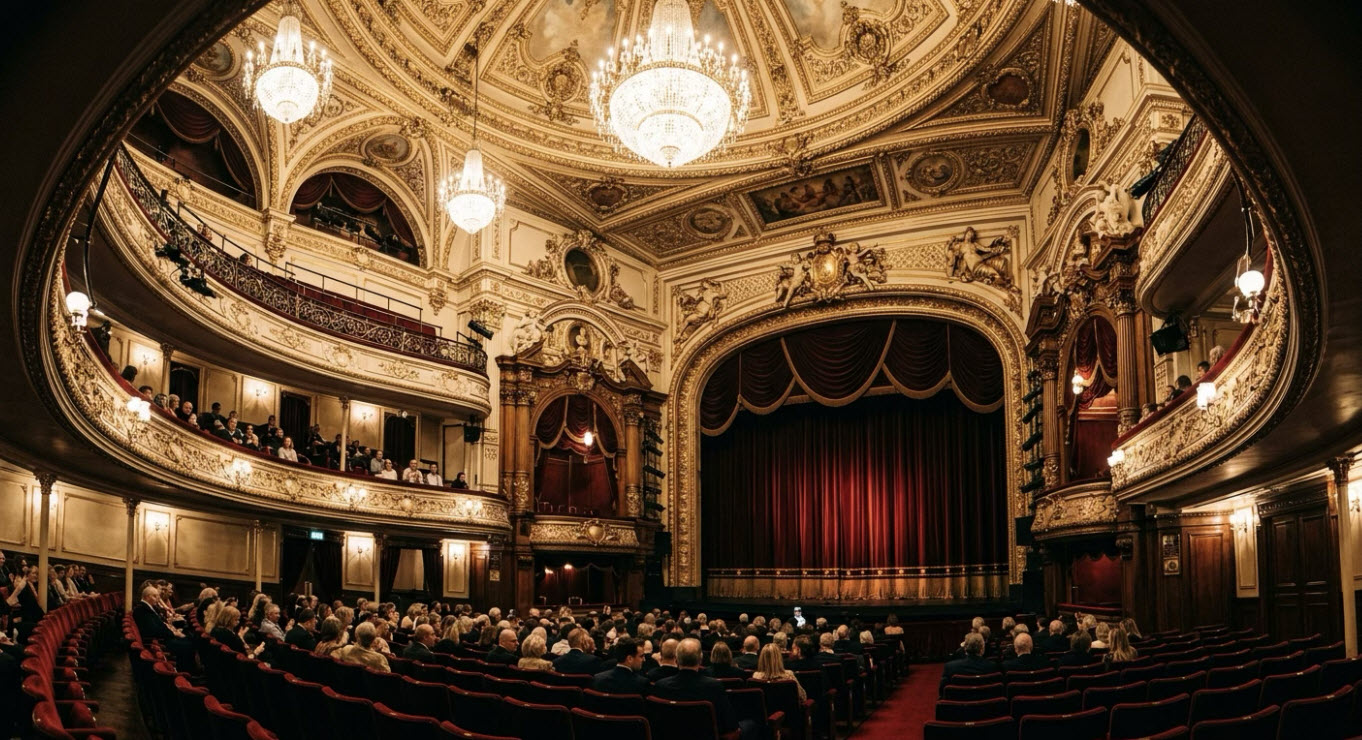
These online platforms aren’t replacing the traditional theatre experience, though – in fact they’re opening up whole new opportunities for people to discover live performance. A bit of research recently done by the National Theatre has shown that digital theatre actually complements the live experience rather than competing with it. And with the rapid growth of platforms like TikTok, and the fact that theatre-inspired games are now part of the online scene, London’s theatre scene is now more visible online than ever before.
For decades, the life of most productions was mercifully short. Even the most successful West End shows eventually wound down or moved on, leaving only memories for those lucky enough to have been there. Cast recordings and the odd TV broadcast were about all people could take home, but for many of the most acclaimed performances, that was it – once the curtain fell, they were gone.
That all changed with the rise of professionally filmed theatre. Now, productions are carefully captured on camera and edited before being shown in cinemas or on dedicated streaming services. And instead of disappearing into the ether when the curtains close, performances continue to reach new audiences all over the UK and beyond.
The National Theatre has been a leader in this field with their NT Live cinema broadcasts and National Theatre at Home. These services have made a huge range of productions available to anyone who may never make it to London’s theatres in person. Subscribers can stream over 100 different shows across multiple devices, with new performances added all the time, as well as behind-the-scenes extras that give a glimpse into the creative process.
For people living outside of London, this has made a huge difference. Until now, geography was always a major barrier to accessing top productions, but now they can watch them from anywhere.
One of the big worries about filmed theatre was whether audiences would start to prefer streaming over actually attending a show. As streaming became more popular following the pandemic, many in the industry wondered if digital disruption and viewing might start to siphon off ticket sales. Lots of research has been conducted in this area as this is a rapidly changing landscape.
Research done by the National Theatre has shown that the opposite is true. The study, which brought together interviews with industry people, previous research and responses from over 5500 people from the National Theatre’s audience and theatre mailing lists, gives a clear picture of how audiences currently feel about live and digital theatre.
Seventy nine per cent of the people questioned said they prefer going to live shows rather than watching them on their laptop, with London audiences going so far as to say 91 per cent, which shows just how enduring the appeal of the traditional theatre experience is.
Rather than replacing theatre visits, it seems digital viewing is actually reinforcing them. Ninety three per cent of the people who watched performances on cinema screens or streaming services also went to see them live. Rather than being an alternative, filmed theatre seems to encourage people to get more involved in theatre overall.
Sixty per cent of respondents said that watching digital performances had encouraged them to watch more theatre than they would have otherwise. Lots of people said they’d discovered productions they would never have thought of otherwise, showing that streaming is actually inspiring people to be more adventurous when it comes to choosing shows.
The whole idea of discovery has come out as one of the key findings of this research. Watching shows at home means people are less hesitant to try new things – without the hassle and expense of travelling to London or buying expensive theatre tickets, people are more likely to experiment with different genres, writers and productions.
While London’s theatre scene is still world-renowned, going to performances isn’t always easy for everyone. Travel costs, ticket prices and accessibility issues can make it difficult for many people, especially those living outside the city. The National Theatre’s research highlighted these problems, with money being one of the main reasons people don’t go to live theatre as often as they’d like.
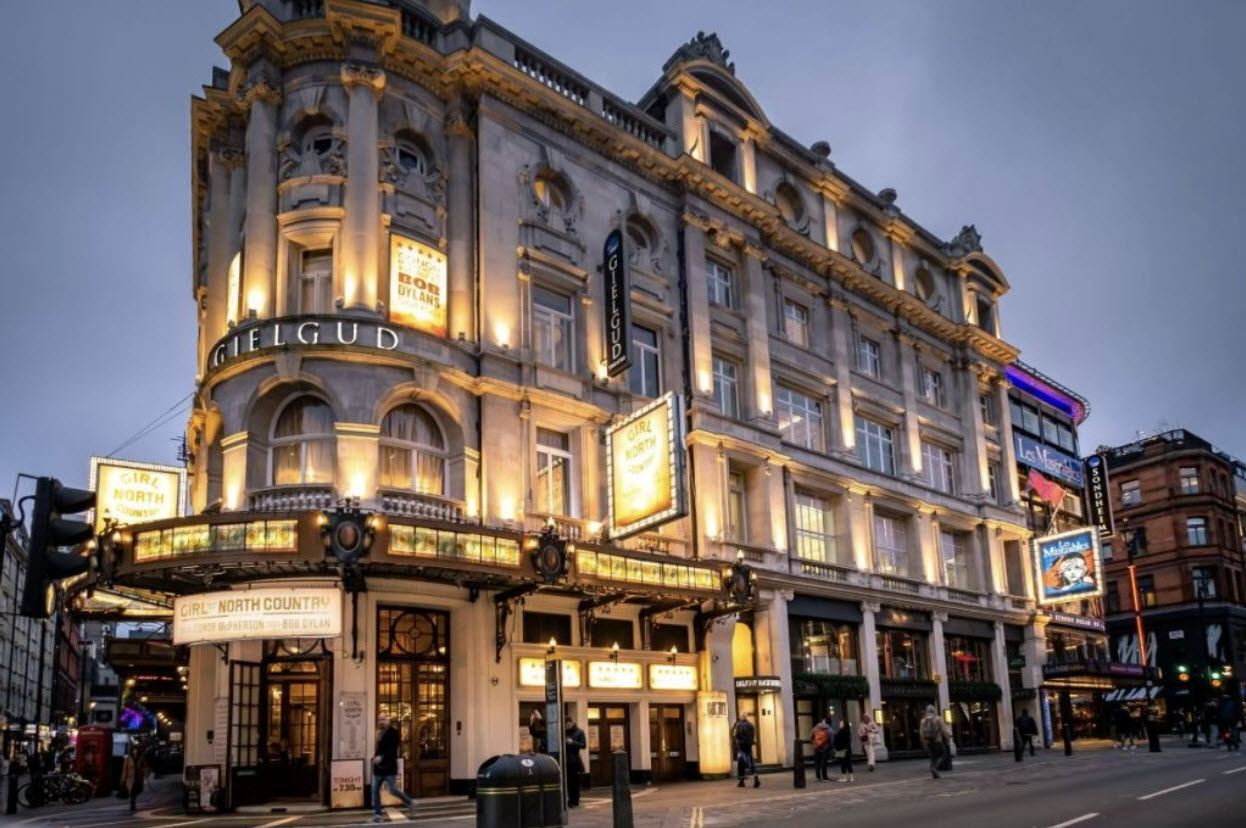
Streaming gives people an alternative that addresses all these barriers without replacing the real thing.
Audiences can watch performances from home at a time that suits them, and pause or rewind if they need to. And people can rewatch shows they loved in person, taking time to notice details they might have missed the first time round. Accessibility plays a huge role here, since 1 in 5 people watching theatre streams say they have a disability , compared to 1 in 7 people who watch live theatre – that’s a pretty big difference, and a great example of how filmed theatre can help people who might otherwise struggle to get to a show.
The research also showed that filmed National Theatre productions are really popular with people outside of London. 90% of people watching NT Live and pretty much everyone watching National Theatre at Home are based outside the capital – that’s a big deal, because it means digital platforms are helping spread London’s cultural influence all over the rest of the UK
National Theatre Chief Digital Officer Matt Risley describes filmed theatre as a great way to bring people into the world of theatre, even if they can’t get to a live show. Rather than thinking of streamed performances as a replacement for the actual thing, he thinks they’re more like a stepping stone – a way to get people interested in theatre and keep them hooked over time.
Filmed theatre has also changed the way we think about the lifespan of a show – traditionally, once it was over, that was it. Even if it was a massive hit, people would only get to see it for a short time before it was gone for good.
But now, streaming has changed all that. Take the show Prima Facie – originally it did really well on stage, and then NT Live screenings pushed it out to another 1.5 million people. That’s a crazy amount of people, and it shows that people are really interested in high-quality theatre, even if they can’t get to a live show.
Another big success story is Inter Alia – after its original run, the NT Live screenings helped it reach hundreds of thousands of people around the world. That’s a lot more than the number of people who saw it live, and it shows just how much further a show can reach when it gets streamed.
For producers, directors and performers, all this means that their work can have a much bigger impact than it used to. Shows that used to close after a few months can now keep going strong for years, reaching new audiences all the time.
Directors are starting to see filmed productions as more than just straightforward recordings. Instead, they’re thinking about how they can use cameras and editing to really bring the show to life. One of those directors is Justin Martin, who says that filming lets you experiment with different storytelling techniques in a way that’s just not possible live. He thinks that’s a really exciting opportunity.
So instead of just watching a recording of a play, audiences are getting a carefully crafted version that captures the essence of live theatre but also takes advantage of all the things that film can do. It’s not just a recording – it’s a work of art in its own right.
And we’re not just talking about streaming here – social media is also changing the theatre landscape. Platforms like TikTok are huge for reaching new audiences and spreading the word about productions.
Unlike traditional advertising, TikTok lets theatres show people the personalities behind a show – rehearsal footage, behind-the-scenes moments, cast interviews… all the things that make a production feel more alive and more accessible.
Younger audiences are particularly big fans of TikTok, and it’s not hard to see why – short-form videos are a great way to get a feel for a show without being overwhelmed by a lot of information.
One of the big stars of TikTok is the musical SIX – it was one of the first shows to really get on board with the platform, and boy did it ever pay off. Fans started creating their own videos using the show’s music and choreography, while the official accounts were sharing all sorts of fun behind-the-scenes content.
All that added up to a massive online following for the show, and that in turn helped drive ticket sales. People would discover the show on TikTok, fall in love with it, and then go out and see it live – it’s a whole new way to engage with live theatre.
And finally, social media is also creating all sorts of new opportunities for performers. In the old days, you’d have to rely on auditions and agents to get a break – but now, you can just post your stuff online and get in front of millions of people.
Take Hannah Lowther, for example – she was a relatively unknown performer until her musical theatre videos started going viral on TikTok. She ended up joining the cast of Heathers and then getting a spot in the West End production of SIX – all because she was bold enough to put her stuff out there and see what happened.
New graduates are also finding that social media is a fantastic way to get noticed and build a following. They can show off their skills in multiple productions, and at the same time, build an audience that will help them get their next gig. It’s a whole new world, and it’s going to be really interesting to see where it takes us the relationship between TikTok and theatre has become a two way street. Rather than just promoting shows online, theatres are actually looking to cast performers who’ve built up a huge following on social media.
One of the most recent examples is Maddie Grace Jepson who landed the role of Lorraine Bains in Back to the Future : The Musical. She wasn’t just any old newcomer though – she had a massive following on TikTok with millions of fans hanging on her every post. And this has been replicated all over Broadway too. Charli D’Amelio who was one of the biggest stars on TikTok made her Broadway debut in & Juliet, showing that even with a massive digital following, people with proper training can still cut it on stage.
The debate that often surrounds these casting decisions may not be universal, though there is no getting away from the fact that having these social media stars bring an entirely new audience into the theatre. People who might never have thought about going to see a musical before, are suddenly finding themselves at the theatre supporting a creator they already love online.
For an industry that’s long struggled to connect with the under 30s demographic, this is a major chance to open up its appeal without having to sacrifice artistic quality.
Social media has also completely changed how productions get noticed now. A great live show can be all over the world in just a few hours, and people are discovering new productions in a way that just wasn’t possible before. Take Jamie Lloyd’s recent revival of Evita at the London Palladium for example. When Rachel Zegler took to the balcony to belt out “Don’t Cry for Me Argentina” the whole world watched on TikTok as clips of the performance went viral.
Moments like this show just how live theatre and digital platforms are supporting each other more and more these days. Sure, only a handful of people got to see the show in person but millions more discovered it through short clips online.
Getting this kind of attention would have been impossible to achieve without the digital age, as traditional marketing alone just wasn’t going to cut it. And now with filmed theatre evolving all the time directors are starting to treat it as something more than just documenting a stage production. Modern theatre recordings are using more cameras, clever close-ups and editing to make the whole thing an immersive experience in a way that just isn’t possible in a live auditorium.
Justin Martin has said that this close-up filming reveals little details that can easily get missed – like expressions, gestures and tiny reactions that become central to the story telling. It’s an experience that is different from even being in the best seats in the theatre.
This way of thinking has started to encourage directors to think more creatively about filming – they’re not just placing a few cameras in the auditorium any more, they’re using cinematic techniques to give the film its own identity. And this is becoming more important as filmed theatre becomes more popular.
Rather than competing with live performance, it actually offers audiences a different way to experience the same show.
The National Theatre’s approach to reaching digital audiences is perfectly in tune with this new landscape. Their ‘National Theatre at Home’ subscription service gives people access to over 100 different productions across their mobile, computer or TV. New shows are added regularly, and they also have behind the scenes documentaries and other special content to let people see just how the show came to be.
They’ve also got annual and monthly subscription options – so people don’t have to wait months to see another show. And it’s not just in the UK and abroad that people can use the service – it’s available all over.
It’s also clear that the National’s leaders see this digital push as a key part of their core mission, not something separate from it – it’s all about bringing productions to people where ever they are, rather than just inside the theatre.
Theatre’s impact goes way beyond just streaming platforms and social media though. Online entertainment has taken up theatrical themes and imagery – and you can see just how recognisable stage sets and imagery have become within the wider entertainment industry.
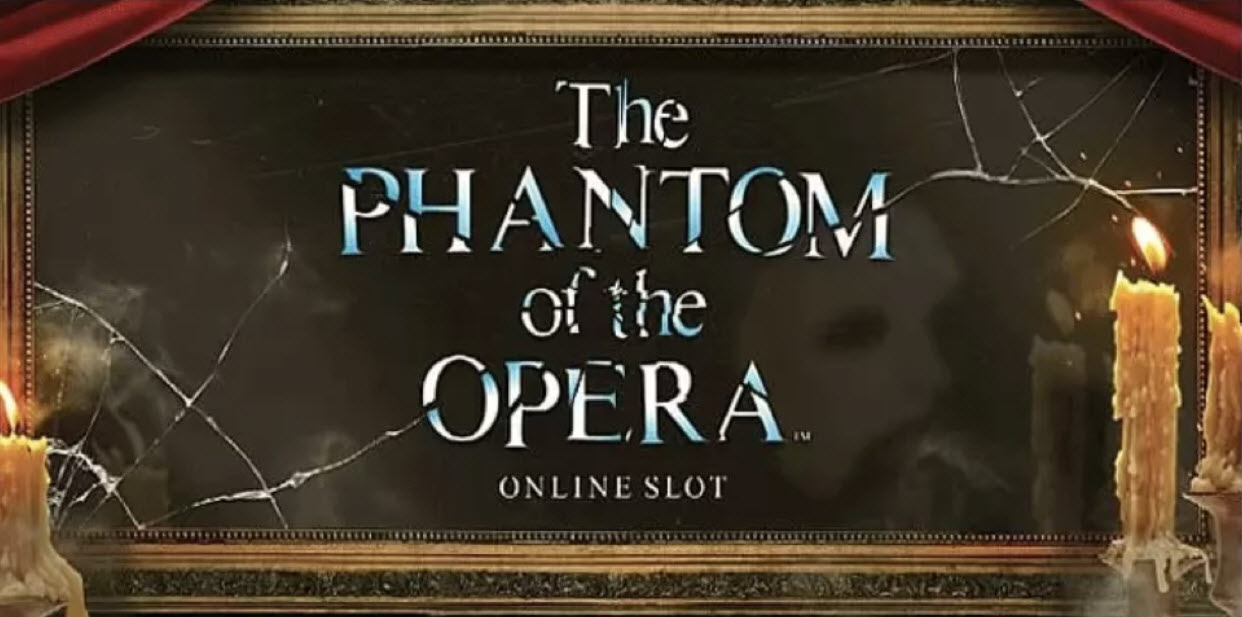
There are even online slot games as a form of online entertainment that draw inspiration from theatre and opera and all sorts of stage performances. Many games have theatrical imagery so deeply embedded into their design. And it’s not just the old classics – new productions are drawing on this imagery too.
Games like these reflect how the visual language of theatre has been absorbed into wider entertainment culture. Even the glamour, spectacle and storytelling of live performance is still appealing across all sorts of digital entertainment.
Despite all this, though, live theatre is still firmly rooted in being a live experience. There’s just no substitute for the atmosphere created when actors and audiences are in the same space, and all the research shows that the vast majority of people still really want to be there in person when possible.
At the same time though digital platforms have shown that theatre doesn’t have to end when the curtain goes down – productions can keep going on across different parts of the country, and TikTok is introducing whole new generations to musical theatre in a way which feels really engaging and creative. Filmed productions keep going long after the final show’s curtain call – and even digital entertainment is showing how theatrical storytelling and design are still relevant across loads of different areas of entertainment. Rather than putting live performance at risk, digital innovations are actually making theatre a lot more accessible, visible and appealing to people nowadays . They’re helping open up new doors for folks who may have never set foot in a theatre before – people who wouldn’t have previously bothered to give live theatre a chance, but are now discovering productions they might otherwise have totally missed.
London’s theatre scene hasn’t been afraid to adapt to changing times – and as you’d expect, its now really getting into using things like streaming, social media & other online tools, not as a replacement for the magic of the stage but as a way to keep that magic alive well after the last curtain call.
Currently trending fun in London