
Drama
The Social Reckoning (15)
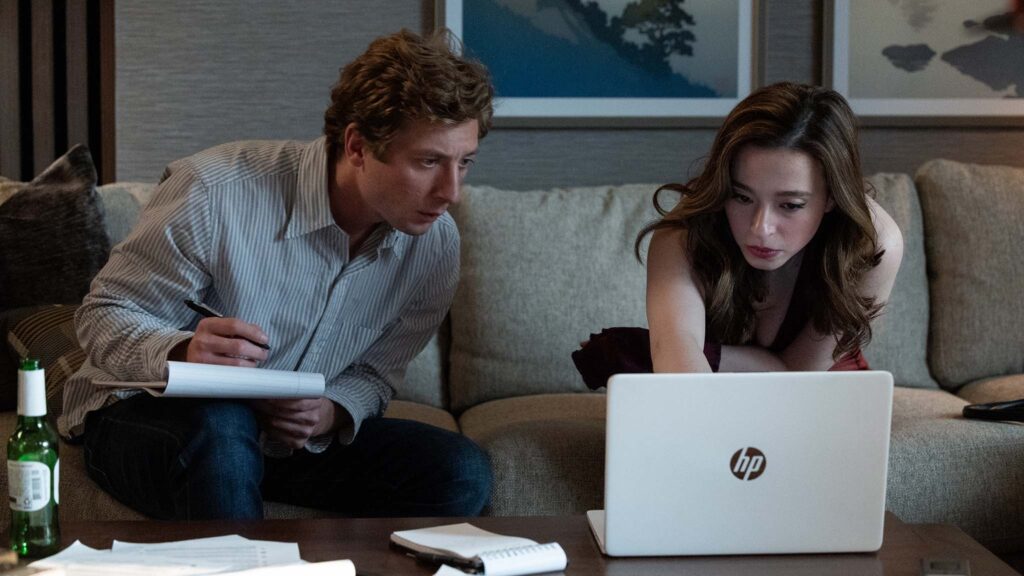
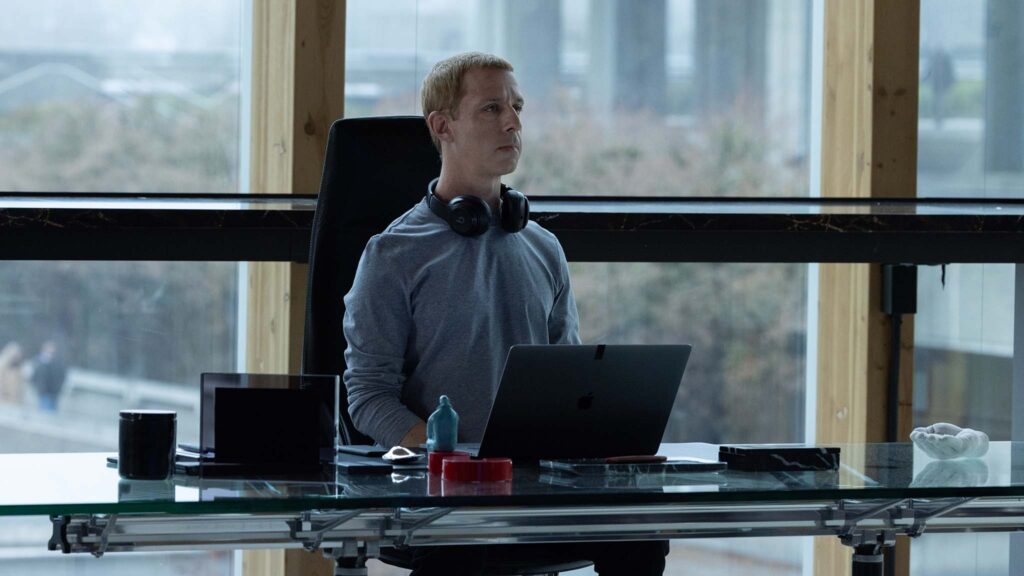
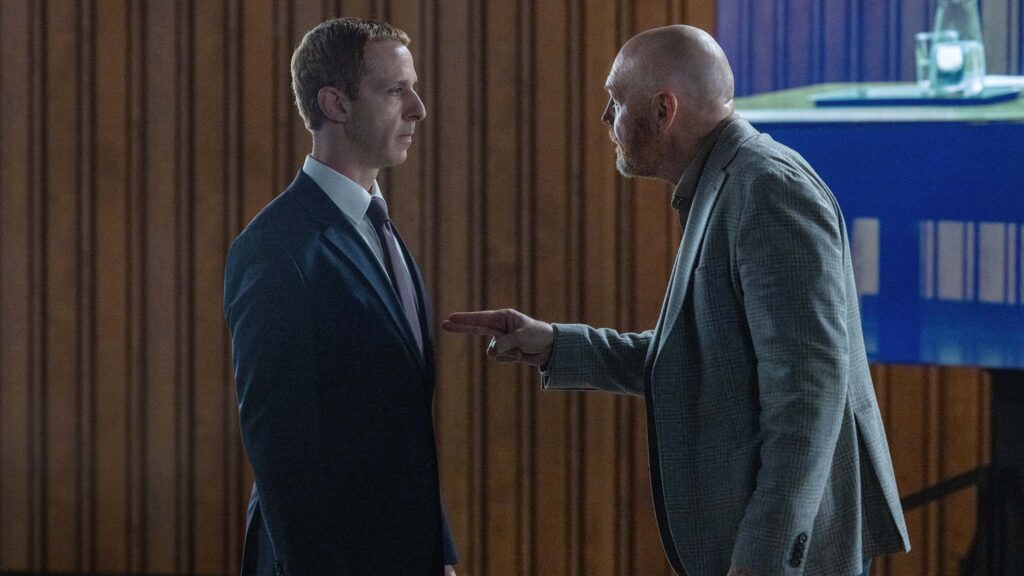
Review: In 2010, director David Fincher and screenwriter Aaron Sorkin explored the formative years of Facebook in Oscar-winning drama The Social Network. Sorkin returns to the fold, this time as director and writer, for a standalone sequel that sketches the chain of events that led whistleblower Frances Haugen to disclose Facebook’s practices to congress, leaking thousands of internal documents to the Wall Street Journal for a series of 17 exposes known collectively as the Facebook Files.
Civic integrity team data engineer Frances Haugen (Mikey Madison) grows increasingly concerned about how Facebook’s algorithmic recommendations are responsible for 64% of users who join extremist groups on the social networking platform. She voices her fears internally to no avail. Following her first face-to-face encounter with chief executive officer Mark Zuckerberg (Jeremy Strong), Frances reaches out secretly to the Wall Street Journal’s new investigative reporter Jeff Horwitz (Jeremy Allen White). “I’m here to help Facebook, not hurt it,” she explains.
Jeff follows Frances to Puerto Rico, shortly before the Covid lockdown, to gain her trust. He surmises that a far bigger story is taking shape but he needs Frances to willingly hand over internal documents to corroborate the explosive findings. “The Mafia would be an easier enemy to make,” quips his work colleague (Gbenga Akinnagbe).
The Social Reckoning is set several years after turbulent events in The Social Network and feels sluggishly paced next to its predecessor. The screenplay is an embarrassment of dialogue riches (“We got into the game in the last two minutes of print journalism!”), as you would expect from Sorkin. Characters repeatedly draw attention to the risks that Frances is taking by speaking out against a behemoth like Facebook. However, Madison has few opportunities on screen to convey that mounting pressure. When a Facebook employee does issue a veiled threat against her, Frances isn’t on screen to react. Madison’s compelling and nuanced portrayal is in stark contrast to her Oscar-winning theatrics in Anora. If she was a tornado of potty-mouthed emotion in that film, here she is a steady gust of idealistic, nervous energy.
Replacing Jesse Eisenberg from the first film, Strong embodies Zuckerberg with icy cool conviction. He relishes fiery exchanges in the wordy script, arguing that Facebook shouldn’t be held responsible for verifying the accuracy of content posted on the site (“We’re not the ref, we’re the public square!”) under the auspices of upholding free speech. As a centrepiece, Sorkin recreates the January 6 2021 assault on the Capitol to imagine a gobsmacked real-time response from Zuckerberg and his inner circle to US President Donald Trump’s communication to supporters on Facebook. The horrifying brutality of that spring afternoon ripples off the screen. Democracy spluttered in a chokehold and Sorkin’s picture, for the first and only time, draws blood.
Find The Social Reckoning in the cinemas
Action
The Uprising (15)
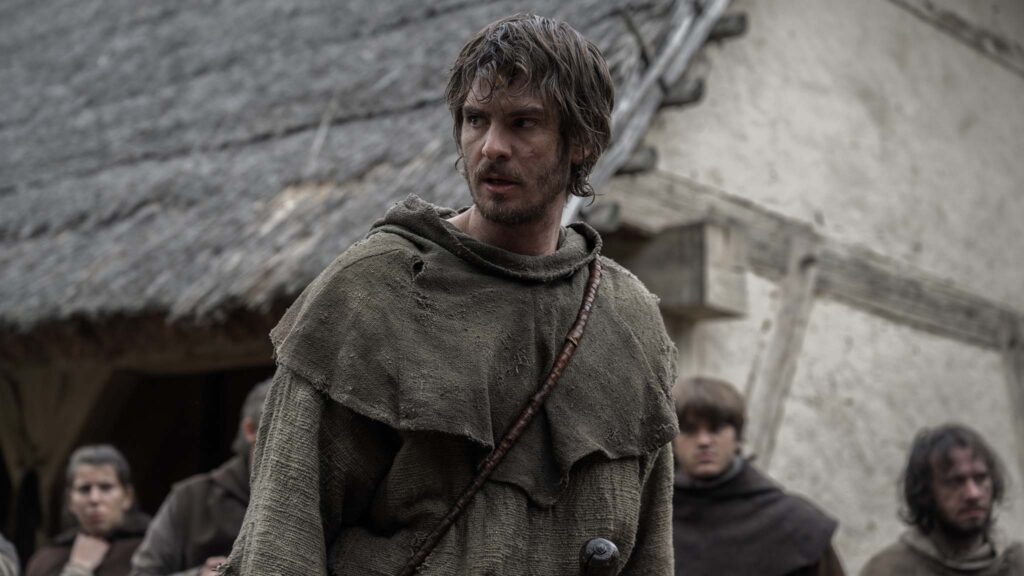
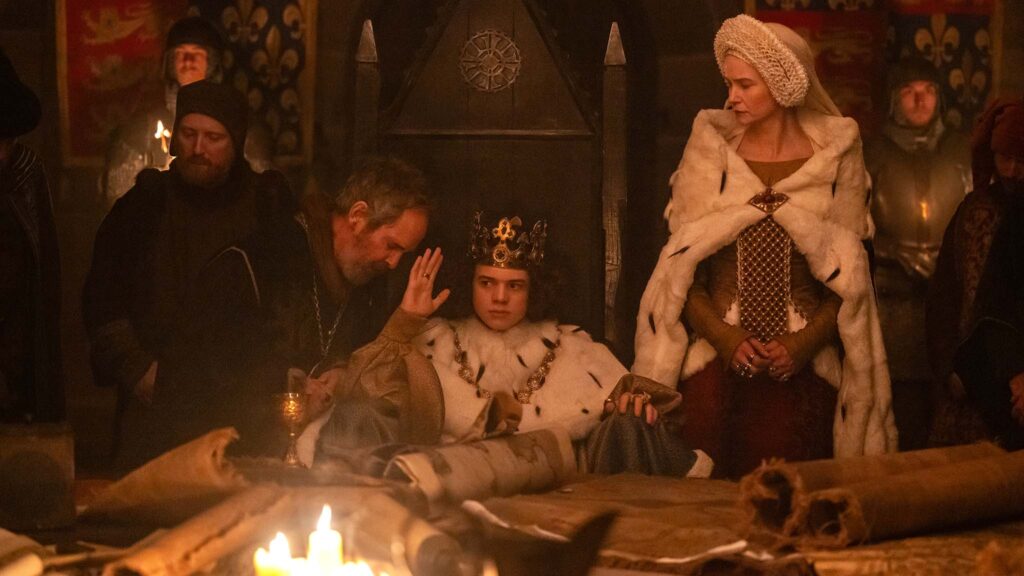
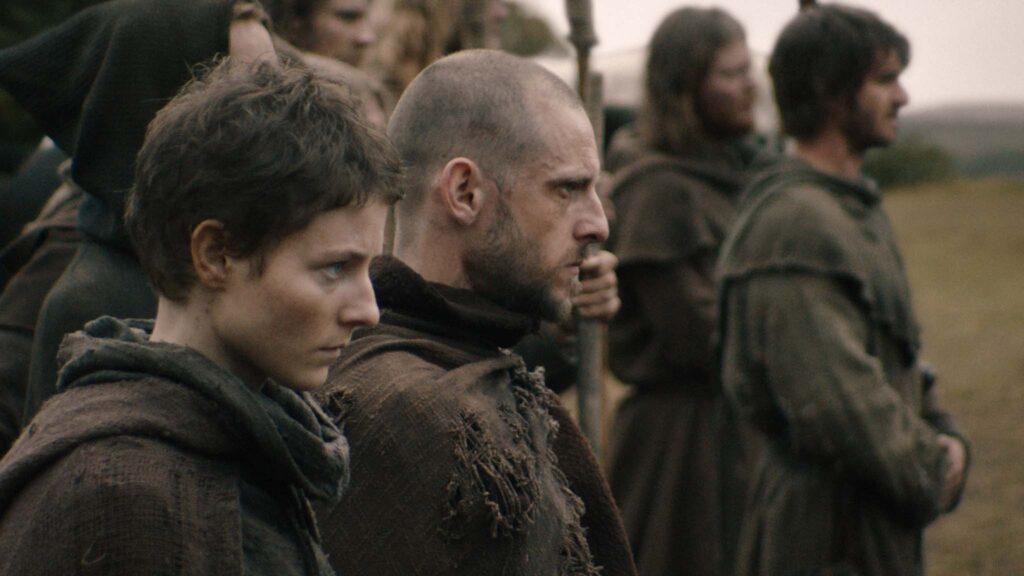
Review: A superfluous epilogue tethering a real-life 19th-century peasants’ revolt to an English folk hero, who robbed from the rich to give to the poor, is the one noticeable misstep of this rousing historical drama filmed on location in Germany. Oscar-nominated Surrey-born filmmaker Paul Greengrass employs his trademark shaky handheld camera style to invigorate blood-spatter class warfare, set shortly after half of Britain has succumbed to the Black Death.
Fourteen-year-old King Richard II (Woody Norman) is ill-equipped to rule a nation that has been decimated by the plague. The teenager ascended to the throne after the death of his grandfather, Edward III, and a regency council including Lord High Treasurer Sir Robert Hales (Tom Hollander), Archbishop of Canterbury Simon Sudbury (Stephen Dillane) and judge Robert Bealknap (Stanley Townsend) makes decisions when the monarch is “indisposed”. “We have no choice. We must tax the common people,” coldly states Sir Robert. In the king’s name, the council increases the financial burden on the poor, including a ploughman (Andrew Garfield), who lost his wife and two children to the contagion. Mired in grief, the widower kills a soldier who is harassing fellow farmers and his bravado lights the fuse on a peasant revolt.
The angry rebellion gathers momentum, spearheaded by warrior Wat Tyler (Cosmo Jarvis) and priest John Ball (Jamie Bell). “Together, our voices will have the power to raise fallen kings!” Tyler promises the baying mob. The aggrieved workers march to London to petition the king. Meanwhile, Sir Robert loses patience with the monarch’s inaction and urges a forceful response to a predicted assault on London: “You need to rise, my Lord, and defend your kingdom from these deplorables!”
The Uprising is a robust and muscular period piece which incorporates key figures from the 1381 peasants’ revolt, including the king’s mother, Joan of Kent (Katherine Waterston), then takes liberties with rigorous historical fact to craft a narrative that has clear parallels to contemporary concerns. Garfield’s powerful performance sometimes gets lost in the whirl of Pal Ulvik Rokseth’s colour-muted and mud-caked cinematography and some hand-to-hand skirmishes become a dizzying blur thanks to the camerawork and editing. Jarvis impresses as a man of fists and fury, who has a way with inspiring words (“Only when we rest will we know what victory we hold”).
The script doesn’t tarry before the first blood is spilt and the body count escalates in breathlessly staged action sequences, punctuated by aerial drone shots that view impending carnage from the air rather than at close quarters. The tone is relentlessly grim so it’s a small mercy that the running time is restricted to just over two hours. The rioters face barbaric betrayal for their exertions; Greengrass treats us with considerably more kindness.
Find The Uprising in the cinemas