

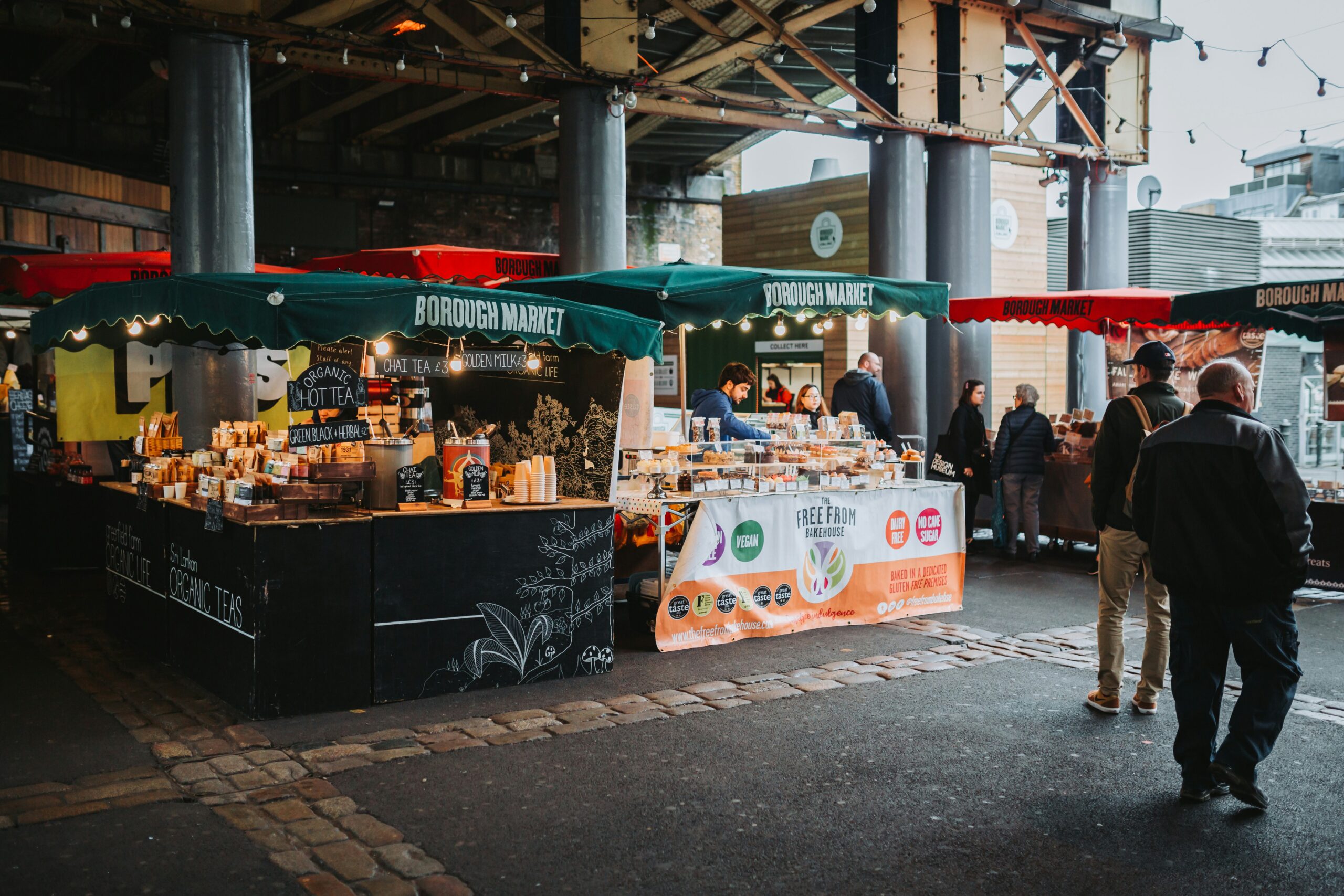
London’s food scene thrives on constant reinvention, with markets and pop ups acting as testing grounds for bold flavours, global influences, and new ways of eating together. From historic market halls to temporary kitchens that appear for a few short weeks, the city offers endless opportunities for curious food lovers to taste what is new, exciting, and unmistakably London.
Popular on LondonNet
London has always been a city shaped by food from elsewhere. Migration, trade, and creativity have turned eating into a cultural experience as much as a practical one. Today, that energy is most visible in markets and pop ups, where chefs experiment freely and small food businesses connect directly with their audience. These spaces are informal, social, and often unpredictable, making them perfect for anyone who wants to eat adventurously rather than stick to familiar restaurant chains.
Food markets as the heartbeat of London’s culinary culture
Food markets sit at the centre of London’s modern food identity. Some have existed for centuries, while others have emerged in response to changing neighbourhoods and lifestyles. What they share is a sense of movement. Vendors come and go, menus evolve weekly, and trends often appear here long before they reach mainstream restaurants.
Walking through a busy market in London means encountering dozens of cuisines within minutes. One stall might serve slow cooked regional British classics, while the next offers Korean fried chicken, Venezuelan arepas, or handmade Italian pasta. This close proximity encourages experimentation. Visitors are more willing to try something unfamiliar when portions are small, prices are reasonable, and the atmosphere feels relaxed.
Markets also allow chefs to stay close to their customers. Feedback is immediate and honest. If something works, queues form quickly. If it does not, menus change fast. This direct relationship keeps food dynamic and grounded rather than overly conceptual.
Markets play a social role too. Long communal tables, open seating, and shared queues create conversation between strangers. Eating becomes a collective experience rather than a private one. For many Londoners, visiting a market is not just about food but about spending time with friends, meeting new people, and feeling connected to the city’s rhythm, similar to the casual social interaction people experience while playing a roulette game on an online casino platform.
Seasonality matters as well. Many markets adapt their offerings to the time of year, showcasing summer street food, winter comfort dishes, or special menus tied to cultural festivals. This constant change keeps regular visitors coming back and ensures that markets remain relevant rather than nostalgic.
Historic markets evolving for modern tastes
London’s older markets have proven remarkably adaptable. Rather than relying solely on tradition, many have embraced contemporary food culture while preserving their character. Historic buildings now house modern street food traders alongside classic butchers, bakers, and greengrocers.
This blend of old and new appeals to a wide audience. Long time locals appreciate the continuity, while younger visitors are drawn to the creativity and energy. The result is a layered experience where history and innovation coexist naturally.
These markets often become anchors for their neighbourhoods. Cafes, bars, and independent shops grow around them, turning food into a driver of local regeneration. Visiting such a market is rarely just about eating. It becomes an afternoon or evening spent exploring the surrounding streets.
The rise of pop up dining and temporary kitchens
Pop ups have become one of the most exciting forces in London’s food scene. Unlike permanent restaurants, pop ups operate with fewer constraints. They might appear in unused warehouses, pubs between tenants, rooftop terraces, or even private homes. This flexibility allows chefs and food entrepreneurs to take risks that would be too costly in a traditional setting.
For emerging chefs, pop ups act as a proving ground. They can test new concepts, refine menus, and build a following without committing to long leases or large teams. Many successful London restaurants began life as short term pop ups, gaining attention through word of mouth and social media.
Pop ups also attract chefs who already have established careers but want creative freedom. Without the pressure of maintaining a long term operation, they can focus on specific ideas, techniques, or cuisines that might not fit into a conventional restaurant format.
Why pop ups appeal to modern diners
From a diner’s perspective, pop ups offer a sense of urgency. Because they are temporary, there is pressure to book quickly and show up before the opportunity disappears. This creates excitement and a feeling of participation in something current. Eating at a pop up often feels like being part of a moment rather than simply going out for dinner.
Pop ups also tend to be more personal. Smaller guest numbers allow chefs to interact directly with diners, explain dishes, and share the story behind the food. This transparency builds trust and makes the experience feel intimate rather than transactional.
Price points vary widely, but many pop ups offer high quality food at lower prices than fine dining restaurants. With fewer overheads, chefs can focus resources on ingredients and creativity rather than décor or branding.
Street food innovation and global flavours in one city
Street food has become one of the clearest expressions of London’s diversity. Markets and pop ups give space to cooks who bring family recipes, regional traditions, and personal stories into the public eye. The result is a street food scene that feels genuinely global rather than curated for tourists.
Innovation thrives in these settings. Vendors adapt traditional dishes to local tastes, experiment with fusion ideas, or update classics with modern techniques. A familiar dish might be transformed through new spices, unexpected textures, or creative presentation.
Because feedback is immediate, sellers can refine their food quickly based on what people respond to. This rapid evolution keeps street food fresh and relevant, allowing trends to develop organically rather than being dictated by industry forecasts.
The influence of social media on food trends
Social media has played a major role in shaping London’s food markets and pop ups. Visually striking dishes spread quickly online, driving footfall and shaping demand almost overnight. A single viral post can turn a small stall into one of the city’s most talked about food spots.
This visibility has advantages and challenges. On one hand, it allows small businesses to reach large audiences without expensive marketing. On the other, it creates pressure to deliver consistency at scale while maintaining quality.
Many vendors respond by limiting menus or controlling availability. Rather than expanding too quickly, they focus on doing a few things extremely well. This approach often leads to stronger long term success than chasing rapid growth.
Sustainability and ethical eating at markets
Sustainability has become an increasingly important part of London’s food conversation. Markets and pop ups are often at the forefront of this shift, experimenting with plant based menus, reduced packaging, and locally sourced ingredients.
Smaller operations can adapt faster than large restaurants. Vendors can change suppliers, adjust portion sizes, or trial new compostable materials without navigating complex corporate structures. This flexibility makes markets a testing ground for more responsible ways of eating.
Many food traders also prioritise transparency. Menus frequently highlight where ingredients come from, how animals are raised, or why certain choices have been made. For diners, this information builds trust and encourages more mindful consumption.
Markets as cultural meeting points
Beyond food, markets act as cultural hubs. Live music, DJ sets, art installations, and community events often accompany trading hours. This creates an atmosphere that feels closer to a festival than a shopping trip.
These events attract diverse crowds. Families, tourists, students, and professionals all share the same space, contributing to the sense that markets are one of the few places where London still feels genuinely communal.
Pop ups also contribute to this cultural role by collaborating with artists, musicians, and designers. Dining becomes part of a broader creative experience rather than a standalone activity.
How neighbourhoods shape their food scenes
Each area of London develops its own food identity through markets and pop ups. Local demographics, history, and available spaces all influence what appears. A market in a residential area may focus on family friendly options and daytime trading, while one in a nightlife district leans toward late hours and bold flavours.
This local character is part of what makes exploring London through food so rewarding. Visiting different markets offers insight into how various parts of the city live, eat, and socialise.
For visitors, this provides a more authentic understanding of London than traditional tourist attractions. For residents, it reinforces a sense of belonging and pride in their neighbourhood.
Late night markets and after dark food culture
As London’s working hours and social habits have shifted, so too has its food culture. Late night markets have become increasingly popular, catering to people who want to eat well outside traditional meal times. These markets attract a different energy than daytime food hubs. Lighting, music, and crowd dynamics change the experience entirely.
After dark, menus tend to become bolder and more indulgent. Comfort foods, grilled dishes, and rich flavours dominate, reflecting the social nature of evening eating. Many traders design their menus specifically for late hours, knowing that customers are more likely to share plates, snack between drinks, or eat standing up while talking.
Late night markets also appeal to workers in hospitality, creative industries, and nightlife. For people finishing shifts late, these spaces offer quality food when most kitchens are closed. This has helped markets become part of London’s wider nighttime economy rather than just daytime attractions.
The role of drinks and bar culture within food markets
Food markets are no longer just about eating. Drinks have become an essential part of the experience. Craft beer stalls, natural wine bars, cocktail pop ups, and coffee specialists are now common features, transforming markets into social venues rather than quick stop food halls.
This integration encourages longer visits. Instead of grabbing food and leaving, people stay for multiple rounds, moving between stalls and socialising. The atmosphere becomes closer to that of a bar or informal club, especially in the evenings.
For traders, offering drinks also creates opportunities for collaboration. Food and drink pairings, tasting events, and themed nights add depth to the experience. These collaborations often bring together local producers, reinforcing community ties and supporting independent businesses.
How markets influence mainstream restaurants
Trends that emerge in markets and pop ups often shape London’s wider restaurant scene. Dishes that start as experimental street food frequently find their way onto restaurant menus months or years later. Markets act as early indicators of changing tastes and preferences.
Restaurant owners regularly visit markets to scout talent and ideas. Some recruit chefs directly from stalls, while others adapt concepts they see resonating with customers. This informal exchange keeps the broader industry dynamic and responsive.
At the same time, some market traders resist moving into permanent spaces. For them, the flexibility and direct customer interaction offered by markets outweigh the prestige of a fixed restaurant. This choice reflects a shift in how success is defined within the food industry.
Accessibility and inclusivity in market dining
One of the strongest advantages of markets and pop ups is accessibility. Physical layouts tend to be informal and flexible, making them easier to navigate for people with different needs. Pricing structures also allow a wider range of people to participate.
Dietary inclusivity has improved significantly in recent years. Vegan, vegetarian, gluten free, and allergen aware options are now common rather than exceptional. Many traders build their entire concept around inclusivity, ensuring that everyone can eat confidently and comfortably.
Language and cultural familiarity also play a role. For people from diverse backgrounds, seeing their food represented authentically in public spaces creates a sense of visibility and belonging. Markets become places where cultural identity is shared rather than diluted.
The economics behind pop up success
Behind the creativity of pop ups lies a practical economic model. Lower start up costs allow entrepreneurs to enter the food industry without significant capital. Short term leases, shared equipment, and limited staffing reduce risk and encourage experimentation.
This model supports innovation. Chefs can change direction quickly if a concept does not resonate, rather than being locked into long term commitments. Successful pop ups may repeat seasonally, tour different locations, or evolve into semi permanent residencies.
However, the model also presents challenges. Inconsistent income, unpredictable footfall, and weather dependency can make pop ups financially fragile. Many operators balance pop up work with catering, private events, or consultancy to maintain stability.
Temporary food spaces and urban regeneration
Pop ups often appear in areas undergoing change. Vacant buildings, redevelopment zones, and transitional spaces provide opportunities for temporary food projects. These initiatives bring life to underused areas and attract visitors who might not otherwise explore those neighbourhoods.
Local councils and developers increasingly recognise the value of food led regeneration. Markets and pop ups create foot traffic, support small businesses, and improve perceptions of safety and vibrancy. In some cases, temporary food projects pave the way for long term cultural venues.
For communities, this can be a double edged experience. While regeneration brings opportunity, it can also lead to rising rents and displacement. The most successful food projects engage with local residents, ensuring that growth benefits existing communities rather than replacing them.
Skill sharing and mentorship within market communities
Markets foster informal mentorship networks. Experienced traders often support newcomers by sharing advice on sourcing, pricing, and operations. This culture of mutual support contrasts with the competitive atmosphere found in some traditional restaurant environments.
Skill sharing extends beyond food preparation. Marketing, social media, and customer engagement are critical skills for success, and many traders learn these through observation and collaboration. Over time, markets become learning environments as much as commercial ones.
This collective knowledge strengthens the overall ecosystem. When traders succeed, markets thrive, attracting more visitors and creating opportunities for others.
The sensory experience of market dining
Eating at a market engages all the senses. Sounds of cooking, music, and conversation blend together. Aromas drift through open spaces, drawing people toward stalls they did not plan to visit. Visual cues such as open kitchens and vibrant plating add to the appeal.
This sensory richness distinguishes market dining from restaurant experiences. There is less separation between kitchen and customer, making food feel more immediate and alive. For many people, this connection enhances enjoyment and satisfaction.
The unpredictability of sensory input also encourages exploration. Visitors may arrive with one dish in mind but leave having tried several others, guided by smell, sight, and impulse rather than planning.
Food storytelling and personal narratives
Many market traders build their brand around personal stories. Family heritage, migration journeys, and personal passion projects often form the foundation of a menu. Sharing these narratives creates emotional connections between food and customer.
Storytelling also builds trust. When people understand who cooked their food and why, they are more willing to engage, ask questions, and return. This transparency contrasts with anonymous dining experiences and reflects broader consumer interest in authenticity.
Pop ups often amplify storytelling by hosting talks, demonstrations, or themed events. These moments turn eating into education and cultural exchange.
Seasonal pop ups and limited time collaborations
Seasonal pop ups add another layer of excitement to London’s food scene. Holiday themed menus, summer residencies, and winter comfort food concepts appear for short periods, aligning with seasonal moods and celebrations.
Collaborations between chefs, brands, and venues further enrich this landscape. Two traders might share a space for a limited run, blending cuisines or techniques in unexpected ways. These collaborations attract attention and encourage repeat visits from curious diners.
Because these projects are time limited, they reward attentiveness. Following food news, social media, and local listings becomes part of the experience, turning diners into active participants rather than passive consumers.
Currently trending fun in London