

London gives you almost too much choice when you’re planning where to eat. A single neighbourhood can contain traditional cafés, bakeries, food halls, seafood restaurants, regional specialists and dining rooms built for long evenings. The useful question isn’t whether you’ll find something appealing, but what kind of meal suits the day you’ve planned.
Popular on LondonNet
You could begin with breakfast near your hotel, pick up something small while exploring and reserve dinner as the day’s main event. Another day might revolve around a long lunch followed by coffee, a walk and a late plate after the theatre. Both approaches work, provided you allow enough time to enjoy the meal rather than treating it as another appointment to complete.
Location should guide your choices before individual restaurant recommendations take over. Crossing London for every meal can leave you spending more time underground than around a table. If you choose one neighbourhood and explore it on foot, you’ll have greater freedom to change your plans when the weather, your appetite or an interesting menu pulls you elsewhere.
Choose a Neighbourhood Before Choosing Every Meal
London’s dining districts have their own character, although the boundaries aren’t as tidy as a guidebook might suggest. Soho places you close to Chinatown, Carnaby Street, Oxford Street, Covent Garden and the West End. Borough and the South Bank suit days involving the river, galleries and markets, while Shoreditch combines restaurants with independent shops, bars and music venues. Brixton, Peckham, Tooting and Southall offer another collection of local food businesses shaped by the communities around them.
Your plans around the meal should be taken into consideration. A restaurant near the morning’s museum but far from the evening’s theatre could create an awkward stretch in the middle of the day. The same booking becomes much more convenient when it sits close to the places you already intend to visit.
Central London distances can also look shorter on a map than they feel after several hours of walking. A twenty-minute journey might involve a station change, stairs, busy platforms and another walk at the far end. Planning lunch and dinner within the same area removes some of that effort and gives you more time above ground.
Soho is well suited to this approach because you can move between cafés, shops, restaurants and entertainment without needing transport. Tottenham Court Road, Leicester Square, Oxford Circus and Piccadilly Circus stations also provide several routes into the area. If one line has delays or your day ends somewhere different from where it began, you won’t be tied to a single station.
You don’t have to decide every meal before arriving either. Reserve the table that needs certainty, then keep breakfast, lunch or coffee flexible. London menus are far more enjoyable when you’re reading them because you’re interested rather than because six hungry people are waiting for you to make an executive decision on the pavement.
Let Breakfast and Lunch Follow the Pace of Your Day
Breakfast can be a quick coffee and pastry or the first proper meal of the day. If you’re planning several hours of walking, a full English breakfast gives you eggs, bacon, sausages, beans, mushrooms, tomatoes and toast in one substantial plate. Porridge, smoked fish, filled rolls and lighter cooked breakfasts are widely available when you want something less formidable.
Smaller breakfast selections can allow the kitchen to focus on quality, concentrating on fresh bread, well-cooked eggs and decent coffee. A concise menu can also help when you’ve got tickets, reservations or a train to catch. There’s little benefit in studying six pages of breakfast choices when you already know you want eggs and toast.
Brunch provides a slower start and often removes the need for a separate lunch. Popular venues fill quickly at weekends, so a booking can be useful if the day depends on a particular time. If you’d prefer to keep things spontaneous, visit earlier or choose a neighbourhood with several cafés within walking distance of one another.
Lunch requires a decision about the afternoon ahead. A long meal makes sense when you’ve left the day open, while a short set menu or counter-service option works better before a museum, matinee or shopping. Soups, pasta, noodles, flatbreads and rice dishes can provide a complete meal without occupying several hours of your time that’s better spent exploring.
Markets and food halls are useful when a group can’t agree on one cuisine. Everyone can choose independently and reconvene at a shared table, although seating becomes harder to find during the lunch rush or big festival. Visit before the busiest period if you’re travelling with a larger group or anyone who can’t stand for too long.
Set lunch menus can give you access to restaurants that charge more during evening service. Check what the price includes, since side dishes, drinks and service can change the total. London restaurants often add a discretionary service charge to the bill, commonly around 12.5 percent, so confirm whether it’s already included before adding anything further.
Choose Dinner According to Appetite, Not Reputation
A restaurant can have glowing reviews and still be wrong for the evening you’re arranging. Formal tasting menus require time and a willingness to hand over much of the ordering to the kitchen. Small plates encourage sharing and allow you to try more dishes, while a traditional three-course menu gives everyone control over their own meal.
Consider how hungry you’ll be by dinner. A large brunch followed by afternoon tea doesn’t prepare you for seven courses at eight o’clock. If dinner is the main event, keep the earlier meals lighter. When you know you’ll want something after a show or concert, check which kitchens continue serving late rather than relying on the venue’s closing time.
London’s international dining choices reward more specific exploration than broad searches for “Asian food” or “a curry”. Regional Chinese cooking can vary considerably between Cantonese, Sichuan, Hunan and other traditions. South Asian restaurants draw from different parts of India, Pakistan, Bangladesh, Sri Lanka and Nepal, while African, Caribbean, Middle Eastern and Eastern European communities have added their own cooking to neighbourhoods across the city.
Ask what the kitchen specialises in when a menu is unfamiliar. A few dishes with different textures and cooking methods will usually give you a better introduction than ordering several similar plates. Shared dining becomes easier when the table chooses a balance of grilled food, vegetables, richer dishes and something fresh.
Steak houses, grill rooms and modern British restaurants often allow you to build a meal around one central ingredient, with sauces and side dishes ordered separately. Check whether the main includes vegetables or potatoes before comparing prices. An affordable-looking steak may begin to look unappetising by the time chips, greens and sauce have joined the order.
Vegetarian and vegan dining shouldn’t require assembling dinner from side dishes, although preparation differs between restaurants. Some kitchens offer dedicated menus while others provide only a few adaptations. Looking in advance allows you to judge the actual choice rather than counting one salad and a mushroom starter as a complete vegetarian programme.
Seafood Can Range From Familiar to Ceremonial
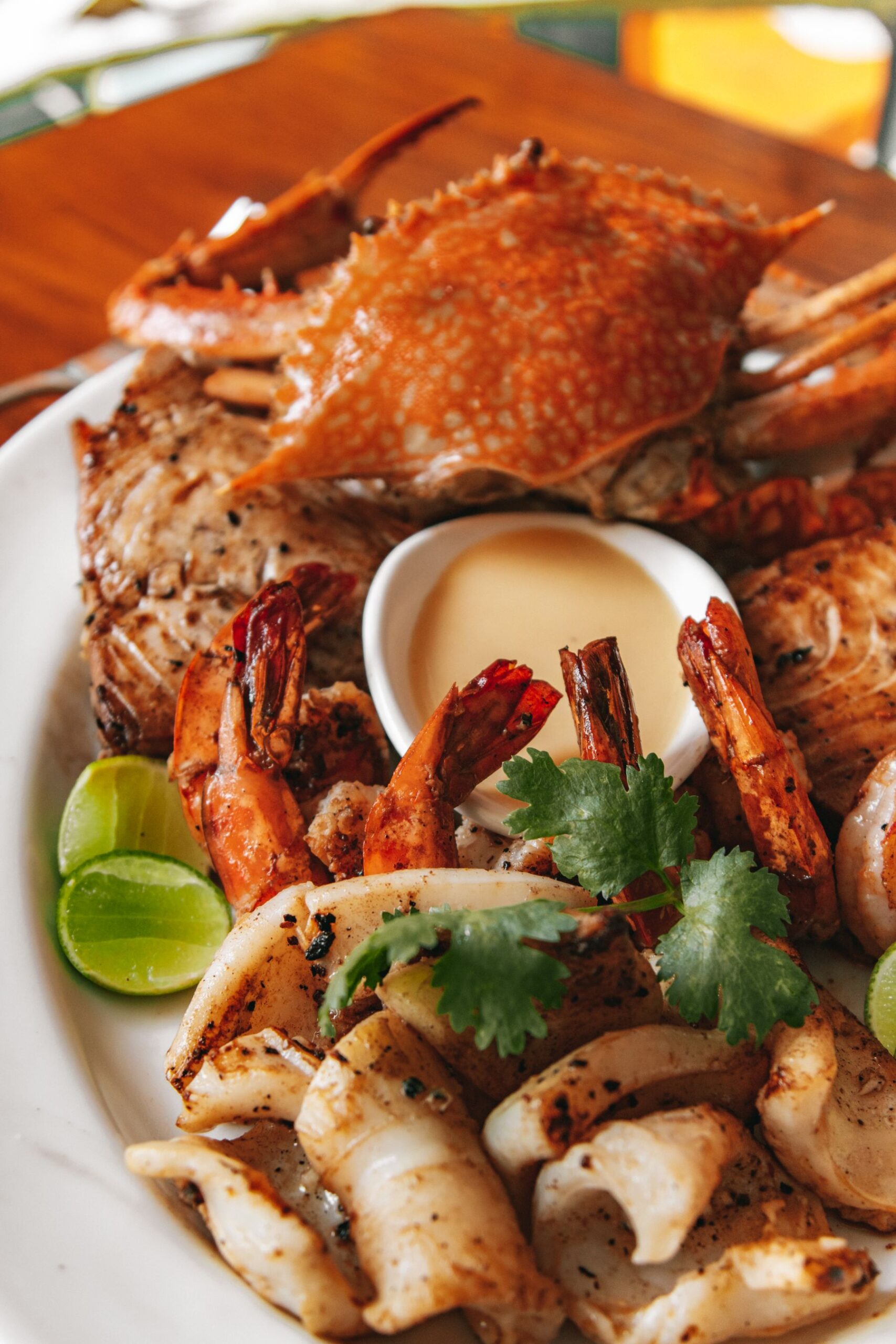
London seafood dining covers simple fish and chips, grilled catches, ceviche, shellfish, pasta and cold platters built for sharing. The right format depends on whether you want a straightforward lunch or an evening in which opening crab claws and comparing oysters becomes part of the meal.
A fish restaurant in London can bring several of those approaches together. The Seafood Bar on Dean Street serves oysters, fruits de mer, lobster, mussels, grilled fish, seafood pasta and fish and chips inside a Georgian townhouse. The family business began in the Netherlands after former fishmonger Fons de Visscher opened its first location in 2012, with the Soho dining room following in 2021. You can order an individual fish dish or share shellfish across the table, depending on the occasion and the amount of time you have available to have one of the best seafood experiences in London and Soho.
Elsewhere in the city, preparation is a useful starting point when you’re choosing seafood. Delicate white fish suits grilling, steaming and lighter sauces, while firmer species can carry richer flavours. Whole fish works well for sharing, although you should confirm the size and price before ordering. Fish sold by weight can make the final cost less obvious than a standard menu price.
Oysters vary in size, texture and salinity according to their origin and growing conditions. A mixed selection lets you compare several varieties without requiring any expert knowledge. Try the first one without sauce, then add lemon or shallot vinegar according to your preference.
Cold platters can include crab, lobster, langoustines, oysters, clams, mussels and smoked fish. They take time to eat and can be more filling than they look, so ask what the chosen size includes before adding several starters. A grilled platter offers another route if you prefer warm seafood or want less work at the table.
Wine lists tend to offer crisp whites and sparkling wines that sit well with shellfish, fried seafood and lighter fish dishes. You can tell the server what you’re ordering, what you’d like to spend and whether you prefer something sharp, fruity or full-bodied. That information is more useful than trying to remember the name of a bottle you drank three summers ago.
Coffee, Cake and Afternoon Tea Need Their Own Space
London coffee shops range from standing espresso bars to larger cafés where you can settle in with cake or a light meal. If you’re travelling with luggage, shopping bags or a group, check the seating before joining a queue. A tiny coffee bar can make an excellent drink while offering nowhere practical for four people and everything they’ve accumulated since breakfast.
Afternoon tea is closer to a meal than a snack. Sandwiches, scones, pastries and several cups of tea can easily replace lunch, particularly when portions are generous. If you’ve booked dinner later, leave a reasonable gap rather than assuming a few small sandwiches won’t affect your appetite.
The formal version can suit celebrations, while a bakery and pot of tea provide the same welcome pause without the ceremony. Your choice will depend on how much time you have and whether the group wants another booking in the middle of the day.
Opening hours should be checked if you’re planning coffee after dinner or the theatre. Many independent cafés close in the late afternoon, even in central areas. Dessert shops, hotel bars and restaurants serving coffee can cover the later part of the evening, but you’ll have fewer options once daytime businesses have closed.
If you care about brewing methods, roast profiles and milk texture, London has enough specialist coffee shops to occupy several mornings. If you simply want a reliable cappuccino and somewhere to sit, you won’t need to turn the search into a research assignment.
Enjoying live sports once back in the UK
Steaming is convenient whilst away but there’s nothing quite like watching a live match. Once back in the UK, if off to a live game in London don’t forget to book your London accommodation in advance to get the best offer and be walking distance to the match.
Theatre Plans Change How You Should Book Dinner
West End dining can be very efficient when the restaurant knows you have a performance to catch. Tell staff your curtain time when you arrive and allow more time than the meal appears to need. A delayed main course becomes far more stressful when the seats you’ve paid for are waiting several streets away.
Set menus are designed to keep pre-theatre dining within a predictable period. Individual mains can also work, especially if you’ve eaten earlier and don’t need three courses. Large shared platters and repeated rounds of small dishes are better saved for evenings without a fixed departure time.
Location needs to be checked against the theatre’s entrance, not only the name of the district. The Soho Theatre is on Dean Street, while other venues are spread across Shaftesbury Avenue, Covent Garden, Leicester Square and the streets towards Charing Cross. Crowds and road crossings can add time to what looked like a short walk on your phone.
Cinema gives you greater flexibility because screenings take place throughout the day. The Soho Hotel Cinema covers a screening room on Richmond Mews, close to restaurants across Soho. You can place lunch before an afternoon film or book dinner afterwards without being restricted to the conventional pre-theatre window.
Leave enough time to walk without rushing. Central London pavements become crowded during the evening, and unfamiliar streets take longer to navigate than expected. Arriving at the theatre with a few minutes to spare is more enjoyable than completing the final part of dinner while repeatedly checking the time.
Group Meals Benefit From Clear Decisions
Group dining becomes complicated when practical details are left until everybody is seated. Confirm the number of guests, dietary requirements and expected price range before choosing the venue. Larger tables can require a deposit, set menu or minimum spend, especially on Friday and Saturday evenings.
Sharing should also be agreed in advance. Some people enjoy ordering several dishes for the table, while others prefer to choose one meal and retain possession of it. Either approach is reasonable, but the trouble begins when half the group assumes communal dining and the other half discovers their dinner is being passed around.
Collect allergen information directly from each guest. The Food Standards Agency’s guidance on food allergies explains the responsibilities surrounding allergen information, but the restaurant still needs clear details about the individual requirement. Contact the venue before booking when cross-contact could cause a serious reaction. Religious and ethical requirements should be checked at the same time. “Halal,” “kosher,” “vegetarian” and “vegan” can refer to ingredients, preparation methods or the whole kitchen.
Decide how you’re likely to divide the bill. Splitting it equally is convenient when everybody has ordered along similar lines. Itemised payment makes more sense when some guests aren’t drinking or spending varies across the table. Restaurants sometimes limit the number of cards accepted, so check before the end of the meal.
Cancellation terms are also worth reading. A booking secured with card details can carry a per-person charge when guests cancel late or fail to attend. Knowing the deadline gives you time to update the reservation when the group size changes.
Leave Enough Freedom for the Day You’re Having
Planning helps most when it removes avoidable problems. You’ll know where dinner is, how long the journey takes and whether the menu suits the group. You won’t have to make every other food decision before leaving home.
Choose one meal as the anchor for the day and let the rest follow your appetite. If breakfast becomes larger than expected, make lunch smaller. If rain changes your walking plans, stop for coffee sooner. When an unplanned bakery or market stall catches your attention, you can adjust without dismantling an itinerary built around three fixed reservations.
Staying within one part of London gives you more room to do that. Soho can carry you from breakfast and shopping through lunch, theatre and dinner. South Bank can combine galleries, riverside walking and food without repeated Tube journeys. Exploring one neighbourhood also gives you a better sense of the place than travelling across the city to complete a list of disconnected recommendations.
Your most memorable meal won’t always be the most expensive or the one planned furthest in advance. It could be a long dinner with polished service, a shared seafood platter or something warm bought when the weather sends you indoors.
Currently trending fun in London