
Comedy
Ali G: Who Iz I? (15)
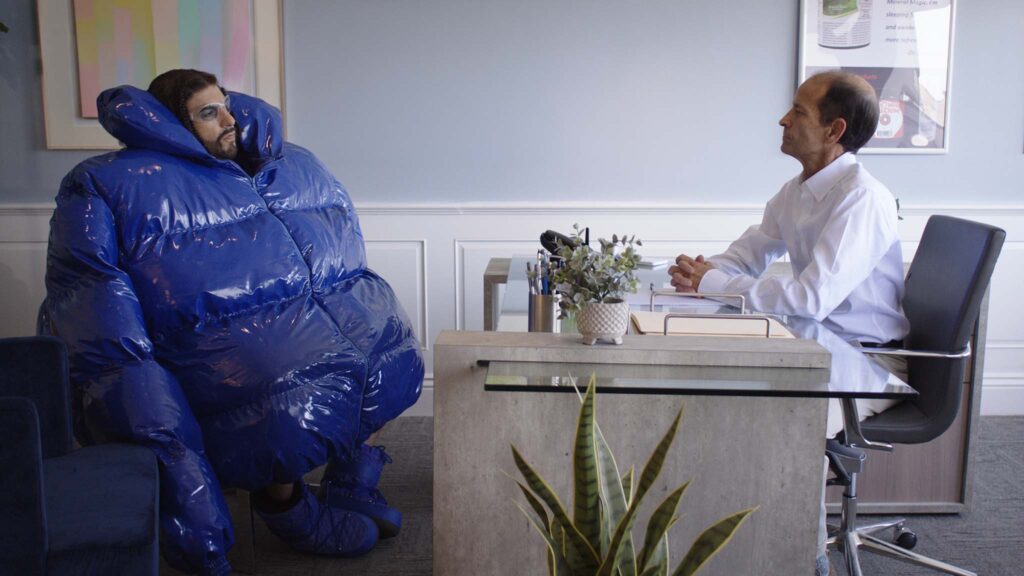
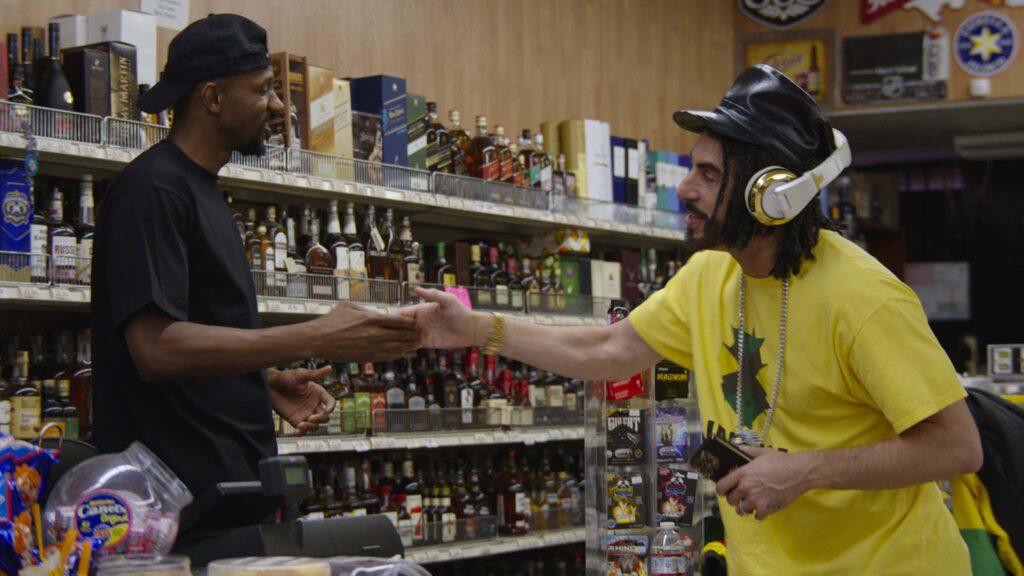
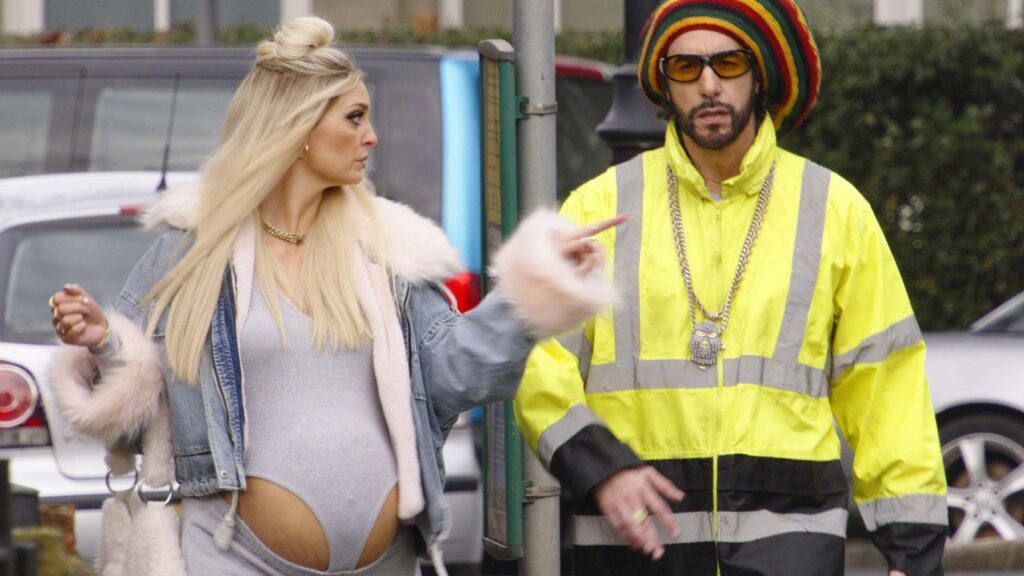
Review: More than 20 years after Sacha Baron Cohen’s problematic rude boy asked his final inappropriate question on the TV series Da Ali G Show, the streetwise slacker from Staines returns for a mockumentary sequel to Ali G Indahouse, which cajoles unsuspecting victims to defy common sense, bend the law and commit unconscionable acts under the auspices of making America great again. Screening for one weekend only, Ali G: Who Iz I? opens with a cautionary quote from French satirist and philosopher Voltaire that anyone who can make you believe absurdities, can also make you commit atrocities.
Half-baked fiction and squirm-inducing reality collide as Ali prepares for the birth of his first child with girlfriend Julie (Morgana Robinson) by pawning some of his bling and a defunct fax machine. Turning on the device generates a long-forgotten written offer from HBO for a third series of Da Ali G Show and a monetary advance that should set up the expectant couple for life. The delusional cultural appropriator rejects his responsibilities as a soon-to-be parent and kickstarts the next chapter of his career across the Atlantic. Meanwhile, two further alter egos, gender studies professor Dr Nira Cain-N’Degeocello and Israeli anti-terrorism expert Erran Morad (both Baron Cohen), openly wage war against Ali G to protect America’s soul.
Nira recruits a clueless accomplice for some X-rated breaking and entertaining in Ali’s darkened hotel room. “Luckily, I have a blacklight… sorry, a light of colour,” quips Nira. Elsewhere, Erran trains recruits to carry out a dangerous mission to prevent the demonic offspring of Ali’s loins from sullying America’s soil.
Ali G: Who Iz I? follows the agent provocateur as he seeks to understand the ruinous state of the modern world where prejudice and racial stereotyping are still rife. Gobs are repeatedly smacked, well past the point of surface bruising, by potentially offensive and politically incorrect set-pieces including a real-time kidnapping that could end in a fatality. In one of the film’s most jaw-dropping interludes that spares blushes by pixelating some faces, Ali hosts his own live TV show on a free speech network masterminded by South African producer Dirk Visser.
A game show segment called Final Solution invites disgraced former Republican politician George Santos and aspiring ICE agent Jason Hall to cram mannequins of women, children, Jews and homosexuals into adjacent showers and gas the dummies in the quickest time to be declared the winner in front of a whooping rabble. A stale air wafts over segments about Ali G’s membership of different ethnic groups and some skits go too far but when Baron Cohen’s satirical scalpel slices deep, it’s a bloodbath of incredulous belly laughs. Squirm and shake your head as you snigger and snort.
Find Ali G: Who Iz I? in the cinemas
Horror
Clayface (18)
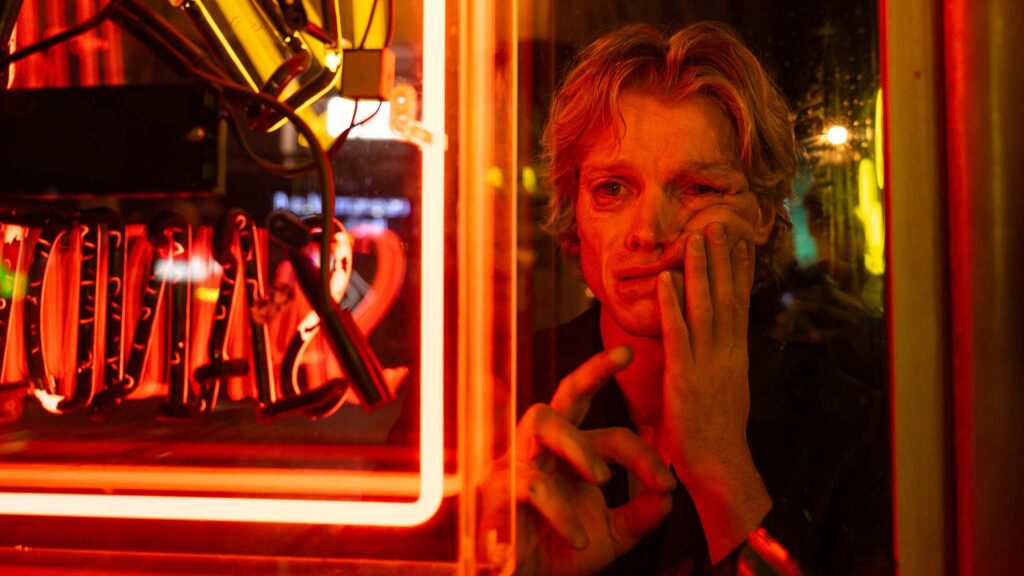
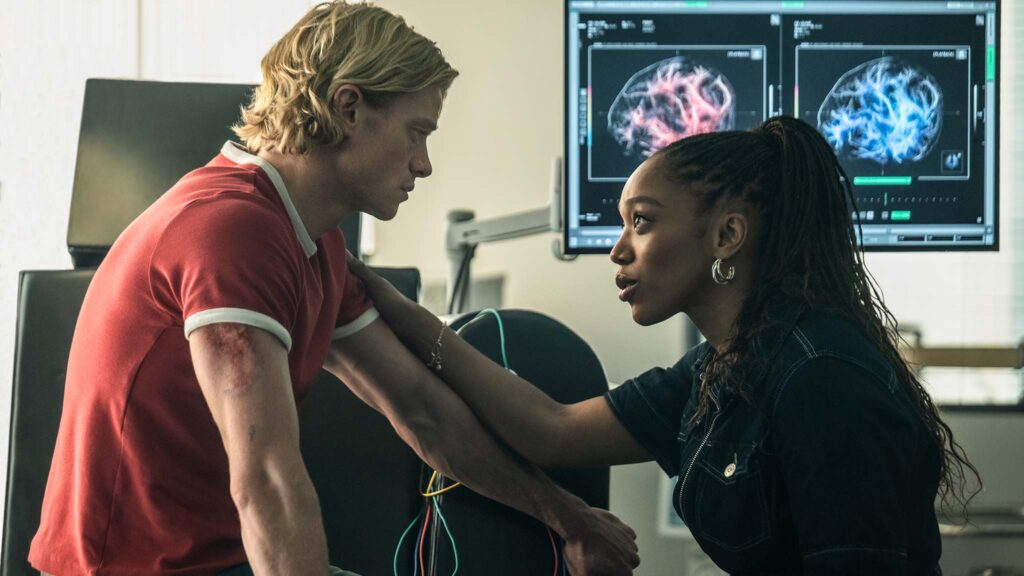
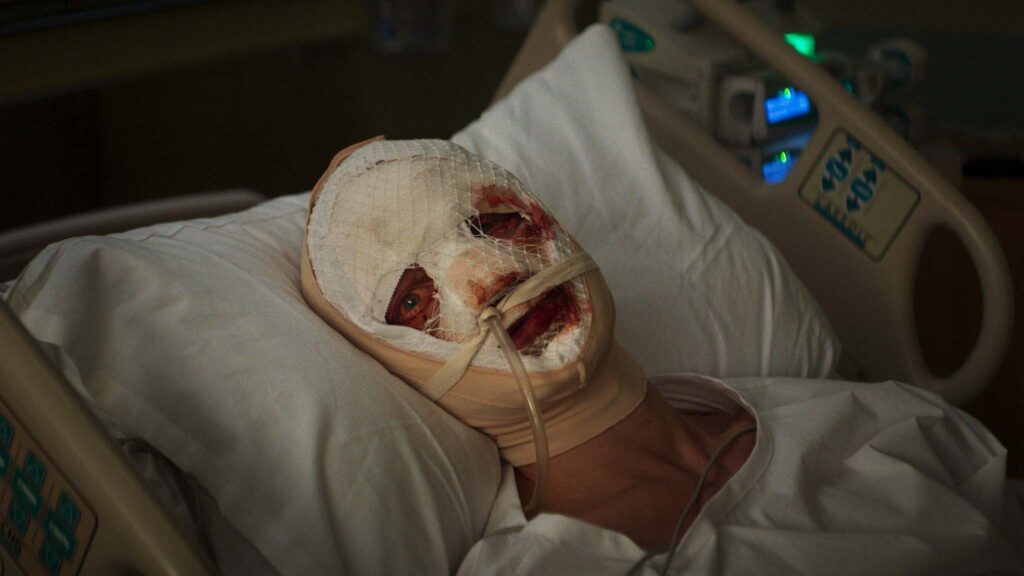
Review: A few stomach-churning scenes in James Watkins’s fantastical body horror, based on the DC Comics character of the same name, are a dizzying blur to me. I glimpsed them through fingers pressed across my eyes as a primitive shielding mechanism from the graphic depictions of mutilation and self-harm that herald the birth of one of Batman’s most eye-catching adversaries. Clayface is an exceedingly bloodthirsty and gory origin story that packs a knuckle-dusted punch, anchored by a terrific performance from Welsh actor Tom Rhys Harries as a rising Hollywood star cut down – literally – in his prime.
Matt Hagen (Rhys Harries) receives his first Oscar nomination as best actor, realising a dream shared with his late mother. He celebrates at a nightclub with best friend Corey (Joshua James) and casually ignores warnings about flirting with fellow actor Mia (Joana Ribeiro). She is the girlfriend of feared Gotham City kingpin Markos Szabo (David Dencik) and he slashes Matt’s face beyond repair as punishment for petting his property. “You ain’t pretty no more,” sneers Markos with sadistic glee. When Matt dares to pursue a criminal case, the hoodlum pays off witnesses and smears the actor with unflattering stories about his past. Friends and work colleagues, including Matt’s money-grabbing attorney (Eddie Marsan), discard him without a second thought.
Desperate to reclaim his former life, Matt implores Dr Caitlyn Corr (Naomi Ackie) to use him as a human guinea pig for her experimental nanotechnology, which repairs damaged organs and tissue. Injections of her miracle serum have startling results but any changes are temporary, so Matt overdoses the treatment and metamorphoses into an angel of death with the ability to alter his appearance. “The best revenge is to live your life well,” Caitlyn advises but Matt disagrees, placing himself in the crosshairs of Caitlyn’s fiance, Gotham City police detective John Borrelli (Max Minghella).
Clayface is a thrilling introduction to one of Gotham City’s most multi-faceted denizens, confirming DC Comics characters work best on the big screen when filmmakers fully embrace the cruelty, rage and anguish that percolate beneath superheroes’ capes and cowls. Rhys Harries is the emotional linchpin and as long as his eyes remain visible among the gloopy digital effects, we retain sympathy for his much-abused antihero as he doles out merciless justice. Ackie is equally compelling and she catalyses simmering screen chemistry with both co-stars competing for her scientist’s wavering affection.
Propulsive set pieces, including a tour-de-force sequence of shape-shifting around a busy nightclub dancefloor and a spot of mid-air turbulence that left my nerves in tatters, are executed with brio, resulting in a taut running time that trims dramatic fat down to fractured and broken bones.
Find Clayface in the cinemas
Comedy
Ghosts: The Possession Of Button House (PG)
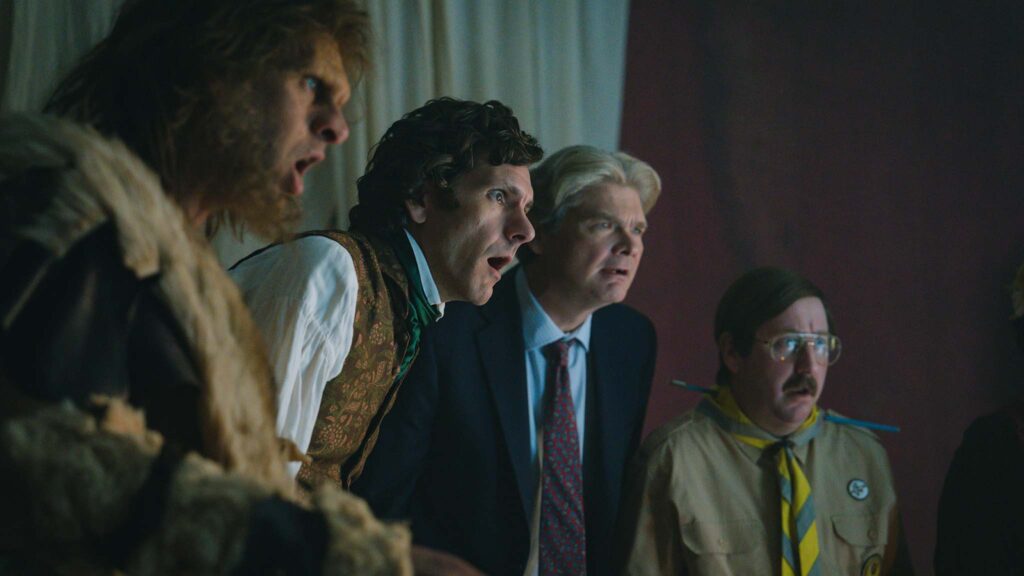
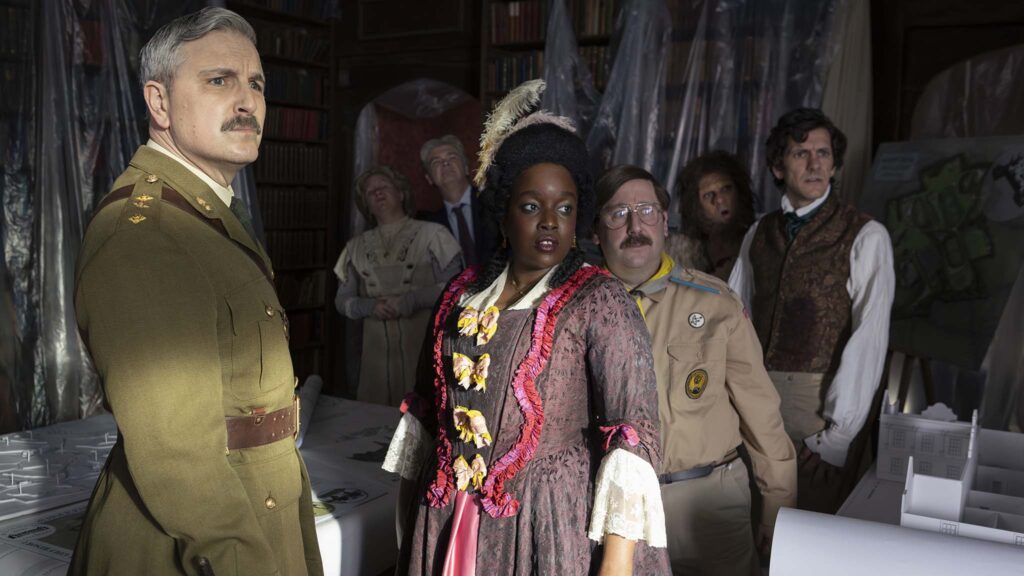
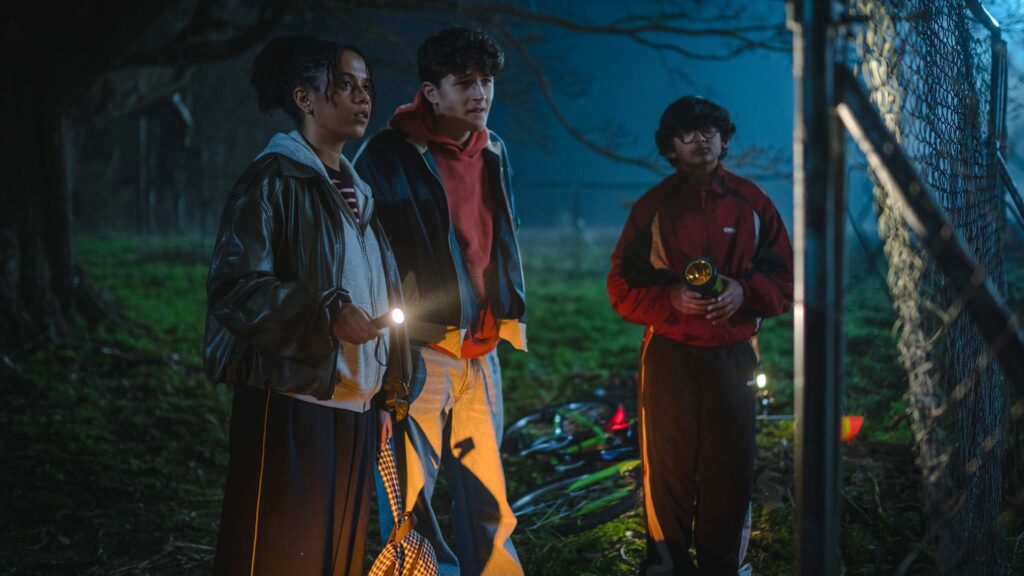
Review: A father, a fostered son and some unholy ghosts say a little prayer in a life-affirming feature film extension of the feelgood BBC sitcom, which ran for five series and completed its run with a 2023 Christmas special. Ghosts: The Possession Of Button House forges a rickety narrative bridge to the festive episode’s flash-forward epilogue, which revealed Button House had been converted into a luxury hotel and spa.
Simon Hynd’s film opens with construction work in its early stages at the crumbling stately home on the outskirts of Hemel Hempstead. Environmental protesters are camped outside the sprawling property, creating a headache and a few unflattering headlines for local MP Richard Move (Rufus Jones). Inside, it’s business as usual for the resident spectres: closeted Second World War army officer The Captain (Ben Willbond), ebullient 80s scout leader Pat Butcher (Jim Howick), Edwardian lady Fanny Button (Martha Howe-Douglas), trouserless Tory MP Julian Fawcett (Simon Farnaby), overly friendly noblewoman Kitty Higham (Lolly Adefope), lightning-struck caveman Robin (Laurence Rickard) and Regency-era poet Thomas Thorne (Mathew Baynton).
A group of teenagers including foster child Jack (Scott Ellis Watson) break into the house, armed with a Ouija board. The curious interlopers unwittingly invite Julian to inhabit Jack’s body. While the boy’s ghostly form is condemned to reside at Button House until the ritual is reversed, Julian leaves the grounds in the teenager’s body and embarks on a madcap quest to track down the previous owners of Button House, married couple Alison (Charlotte Ritchie) and Mike (Kiell Smith-Bynoe). Meanwhile, one of the protesters (Sian Clifford) takes an unusual interest in the vacant building.
Ghosts: The Possession Of Button House conjures a conventional body swap comedy a la Freaky Friday, allowing Ellis Watson, one of the breakout stars of I Swear, to indulge some playful mimicry of co-star Farnaby’s vocal delivery and mannerisms. Transplanting a disgraced politician into a teenage boy is a situation ripe for political incorrectness but the script co-written by six of the cast remains unabashedly polite and family-friendly. In-jokes from the TV series, such as the importance of a Scotch egg to one phantom, will fly over the heads of audiences unfamiliar with the TV incarnation but there are more than enough self-contained japes and jolliness to satisfy newbies and die-hards alike, wrapped in the emotional warmth and sentimentality that became show’s trademark.
Hynd directed the show’s final two series and there is a familiar, cosy look and feel to this big screen adventure, which spends swathes of the running time inside the titular home, milking gentle laughs from the delightful dysfunctionality of the hapless haunters. Once the freewheeling plot permits ghosts to take temporary ownership of teenage bodies, broad physical humour escalates. A brief police car chase is as close as Hynd comes to a cinematic flourish.
Find Ghosts: The Possession Of Button House in the cinemas
Sci-Fi
Klara And The Sun (12A)
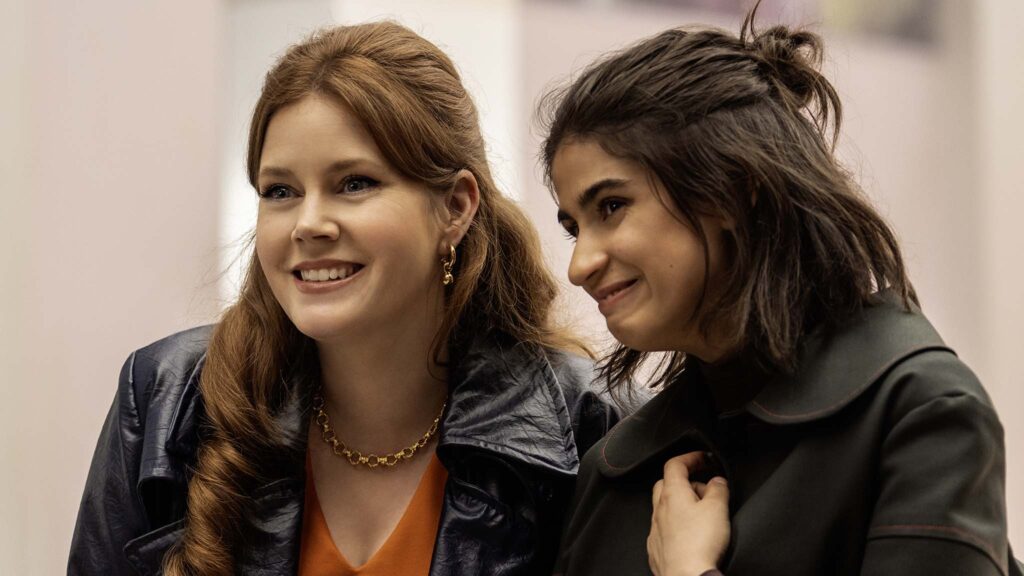
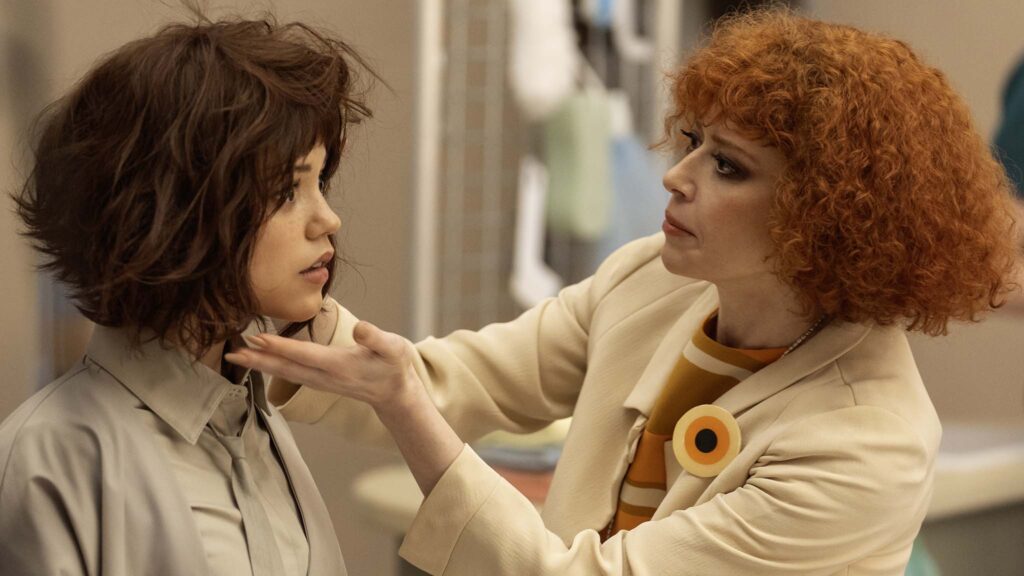
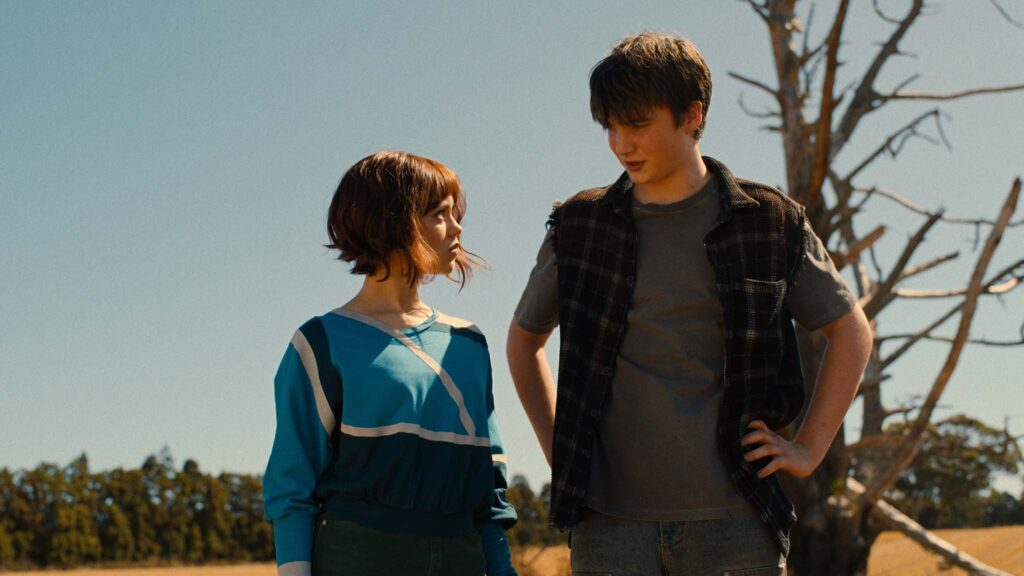
Review: It ain’t what you do, it’s the way that you do it. The way that Oscar winner Taika Waititi chooses to adapt Nobel Prize-winning author Kazuo Ishiguro’s critically-acclaimed novel with co-writer Dahvi Waller disturbs the deep emotional resonance of this futuristic meditation on what it means to be human. Wilful eccentricity and comical flourishes, which elevated Waititi’s page-to-screen realisation of Jojo Rabbit, are an awkward fit for Klara And The Sun, conjuring dark storm clouds over strong performances and a twinkly orchestral score from composer Michael Giacchino that is determined to tug heartstrings, by any means possible.
In a dystopian future, parents with deep pockets buy android companions for their children. Klara (Jenna Ortega) is a B1 artificial friend, one of the earliest models, and a long-time resident of The Friend Store run by a wise-cracking manager (Natasha Lyonne) who makes up bedtime stories for her high-tech “children” before wishing them a good night of “fake sleep”. A sickly girl named Josie (Mia Tharia) is drawn to Klara’s quirky behaviour in the shop window and convinces her mother Chrissie (Amy Adams) to buy the unit. Klara nestles excitedly inside her box and is safely delivered to the family’s farm, where she makes an immediate enemy of stern housekeeper Melania (Rachel House). “You’re not replacing me,” she warns Klara. “Stay in your lane!”
Klara’s child-like naivete and optimism are a perfect tonic for young Josie, who is valiantly battling a life-threatening illness with a one in 50,000 chance of survival. As Klara cheerfully notes, Josie could be the one, but the teenager doesn’t need an artificial mother. “I already got one of those,” laments the patient, who just wants to savour nature’s warmth during piggyback rides from tender-hearted best friend Rick (Aran Murphy).
Klara And The Sun is diminished by idiosyncratic artistic ambitions. Mood and meaning pull in opposite directions and that tug of war jerks the audience back and forth. My tear ducts are easily prised open but I remained resolutely dry-eyed for the two hours, despite Ortega’s compelling central performance, which combines intentionally exaggerated physical humour and wide-eyed wonder. She operates as our eyes and ears to the pervading melancholy inside Chrissie and Josie’s rural home.
There are bright spells when Waititi forgets the quirky affectations and the ensemble cast are allowed to deftly navigates conversations about regret and abandonment with rawness and vulnerability. Adams’ grief-soaked single parent gels convincingly with Ortega and Tharia, the latter beautifully conveying her character’s frustration that she is being mourned, not cherished, while she is still alive. Waititi’s intentions are heartfelt but persistent downpours of virtuosity produce an unsettled and chilly outlook.
Find Klara And The Sun in the cinemas
Animation
Wildwood (PG)
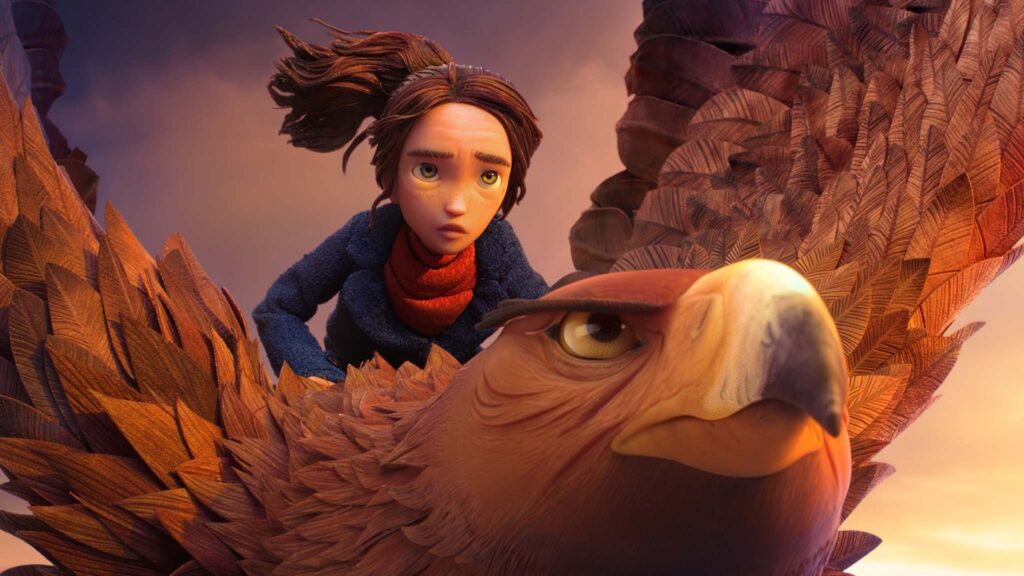
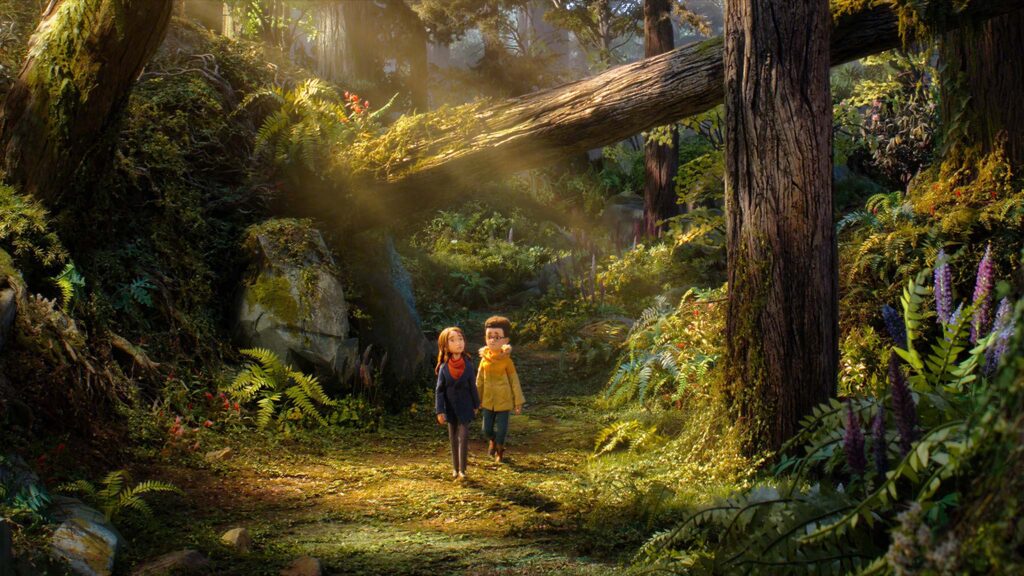
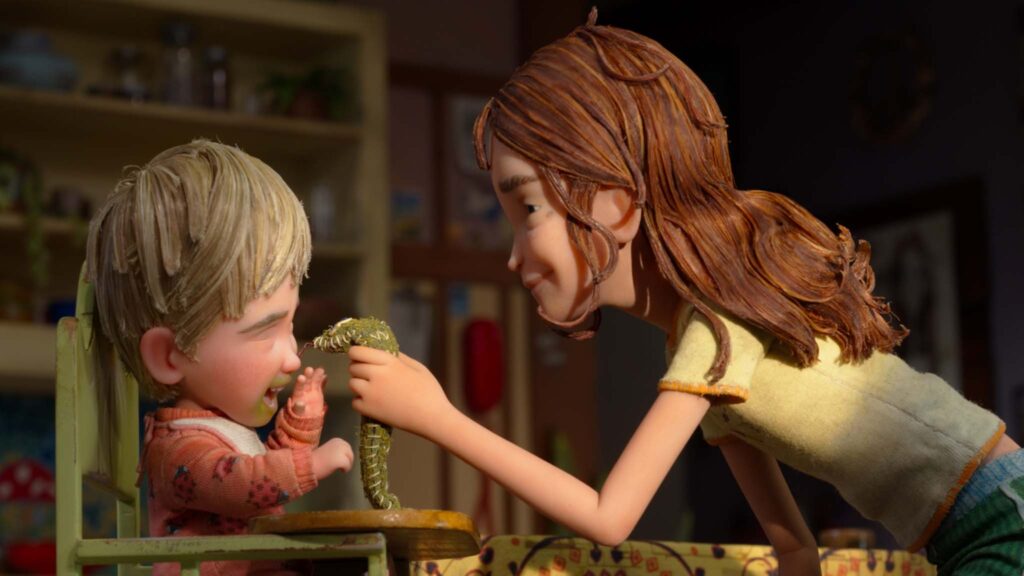
Review: Jim Henson’s musical adventure Labyrinth, which celebrates its 40th anniversary this year, was a touchstone of my feverish childhood fantasies. The exuberance and spectacular interspecies warfare of that fantastical search for a missing infant seems to be genetically spliced into the creative DNA of director Travis Knight’s exhilarating stop-motion animation. Epic in scope and realised with jaw-dropping attention to detail, Wildwood marks a new milestone for studio Laika, who collaborated with Knight a decade ago on Kubo And The Two Strings.
Teenager Prue McKeel (voiced by Peyton Elizabeth Lee) babysits her gurgling infant brother Mac (Arthur Knight) while her parents (Jake Johnson, Maya Erskine) are attending a craft fair. She ignores explicit instructions to stay at home and a murder of crows abducts Mac from a playground and spirits the terrified tyke into a forest known as the Impassable Wilderness. Shy, bookish classmate Curtis (Jacob Tremblay) reluctantly joins Prue’s hastily conceived rescue mission and the youngsters discover the feathered menaces are messengers of governess Alexandra (Carey Mulligan), who has been driven mad by the loss of her son.
Prue and Curtis pursue divergent paths to rescue Mac. She takes flight on a giant golden eagle (Angela Bassett) and seeks an audience with wise owl Rex (Richard E Grant), who commands great respect among the winged denizens of the Avian Principality. Meanwhile, he falls into the clutches of Alexandra’s coyote army commanded by Maksim (Tom Waits), seeks an alliance with the Bandit King (Mahershala Ali) and befriends quick-witted rat Septima (Awkwafina).
Written for the screen by Chris Butler based on Colin Meloy and Carson Ellis’s award-winning novel, Wildwood pushes boundaries for a painstaking and time-consuming medium that once seemed like Aardman’s private playground. Knight’s film opens with a heartbreaking scene of self-sacrifice that establishes a dark and foreboding tone. I frequently forgot I was watching stop-motion artistry. The sweep and scale of battle sequences draws comparisons to Lord Of The Rings and The Chronicles Of Narnia and the script deftly glides between death and dismemberment and wry humour, such as a mangy coyote defending his hygiene during a frantic chase: “I don’t have fleas. It’s psoriasis!”
There are a few noticeable lags in the 131-minute running time, a record for a stop-motion picture, but the search for little Mac provides a clear destination for disparate characters once they have completed breathlessly staged side quests. Tears flow freely on screen – the battle for the forest commands a high casualty rate which could upset very young children – and while Awkwafina snaffles the majority of laughs, her wise-cracking rodent also doles out harsh truths, “Don’t despair just yet… because this is likely to get much worse,” she warns one child. It does, but pain and suffering are tightly woven into the fabric of every great fairy tale.
Find Wildwood in the cinemas