
Comedy
Bad Apples (15)
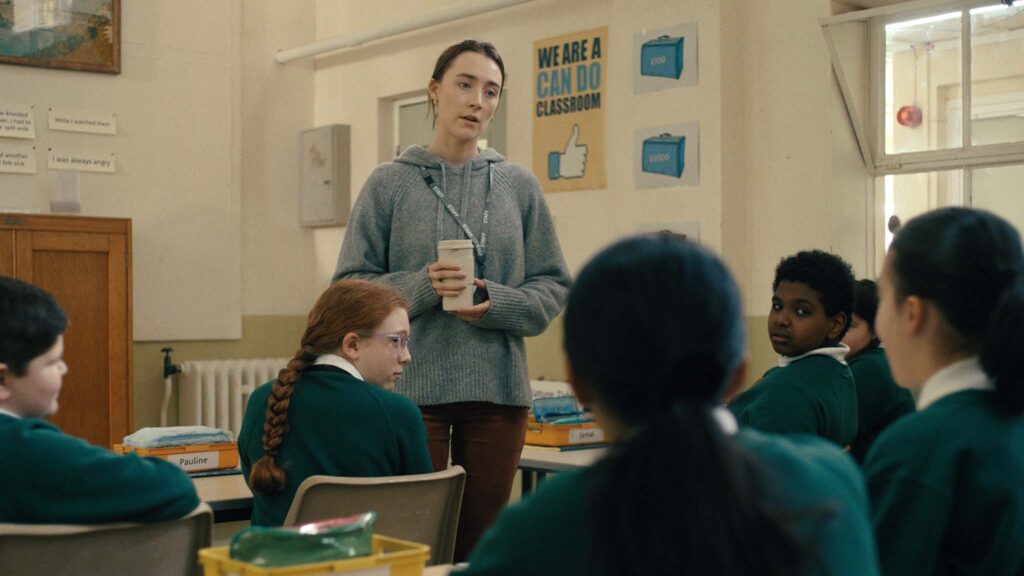
Review: One bad apple can rot the crop but in director Jonatan Etzler’s warped black comedy, adapted by screenwriter Jess O’Kane from Rasmus Lindgren’s novel De Oonskade, it’s unclear whether any of the characters are good apples. On the surface, the schoolteachers who roam the corridors and classrooms of Bad Apples are hard-working pillars of the community. But dark, uncharitable thoughts percolate behind placative smiles.
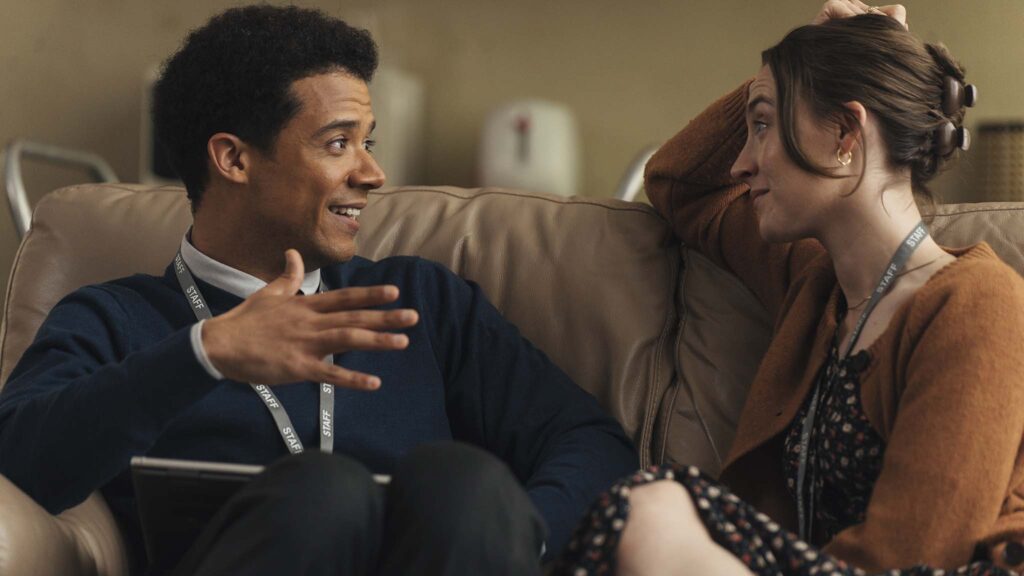
Mild-mannered primary school teacher Maria Spencer (Saoirse Ronan) struggles to recover from a break-up from work colleague Sam (Jacob Anderson). Some of his belongings are still in her house. More pressingly, an Ofsted inspection is due and one of Maria’s pupils, 10-year-old Danny (Eddie Waller), is a feral, profanity-spewing harbinger of chaos who gleefully disrupts lessons. Unsympathetic headmistress Sylvia (Rakie Ayola) advises Maria to take charge of the situation and the beleaguered teacher visits Danny’s father Josh (Robert Emms). He is too busy working as a delivery driver to pay close attention to his son’s unruly behaviour. Frustration boils over and Maria personally intervenes in one of Danny’s violent outbursts.
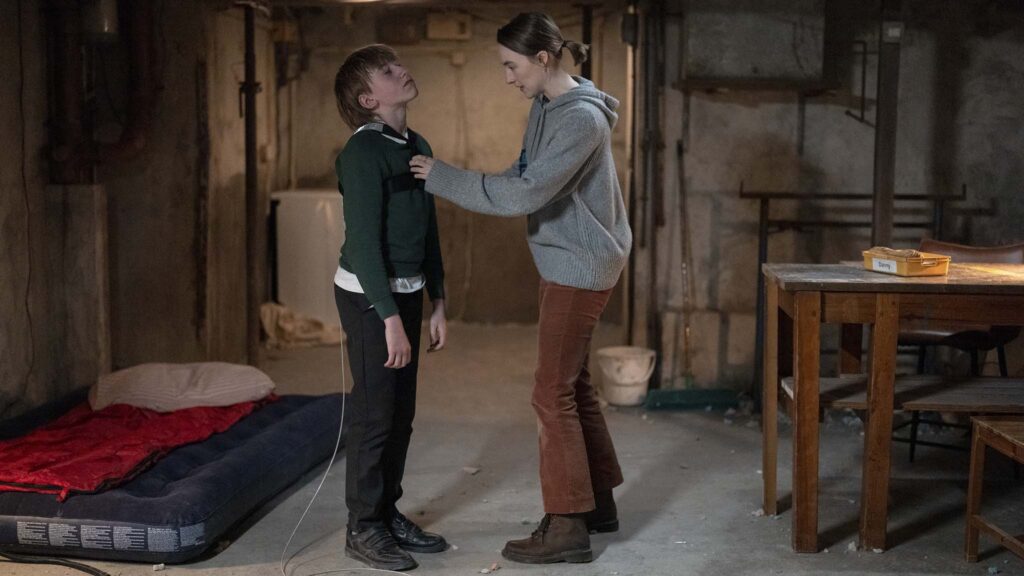
The boy threatens to go to the police and claim Miss Spencer assaulted him, so the frazzled educator kidnaps Danny and holds him hostage in her basement. She restrains him like a wild animal until he is calm enough for private tuition. Danny’s absence has a positive effect on the other children and Maria wonders if her deranged actions might inspire change. “You seem to be coming out of your shell and you look good,” Sam compliments Maria, emboldening her resolve. When sycophantic class swot Pauline (Nia Brown) discovers the dark secret in Maria’s basement, the scheming tyke exploits the situation to grant herself special privileges in the classroom.
Bad Apples is an entertaining romp through a moral quagmire, which doesn’t push its gnarly central premise beyond the limits of comfort. There is clear potential for O’Kane’s script to propel Maria beyond a point of no return and witness her mental disintegration in excruciating and exquisite close-up. However, just as the picture’s sharp teeth are bared and glistening, Etzler chooses to nibble rather than eviscerate. Wildness and unpredictability flicker in Ronan’s eyes and her emotionally charged scenes with young co-stars Waller and Brown have moments of uncertainty that prickle the skin.
The film’s final act twists a narrative knife to the core and introduces potential new heroes and villains to the fray, but tension rapidly dissipates because characters’ fates are abruptly taken out of their own hands. The suspension of disbelief required in the opening hour pales next to the brow-furrowing chain of events that seeks to resolve young Danny’s fate and punish or reward Maria’s reckless actions. Bad Apples crumbles.
Find Bad Apples in the cinemas
Horror
Resident Evil (15)
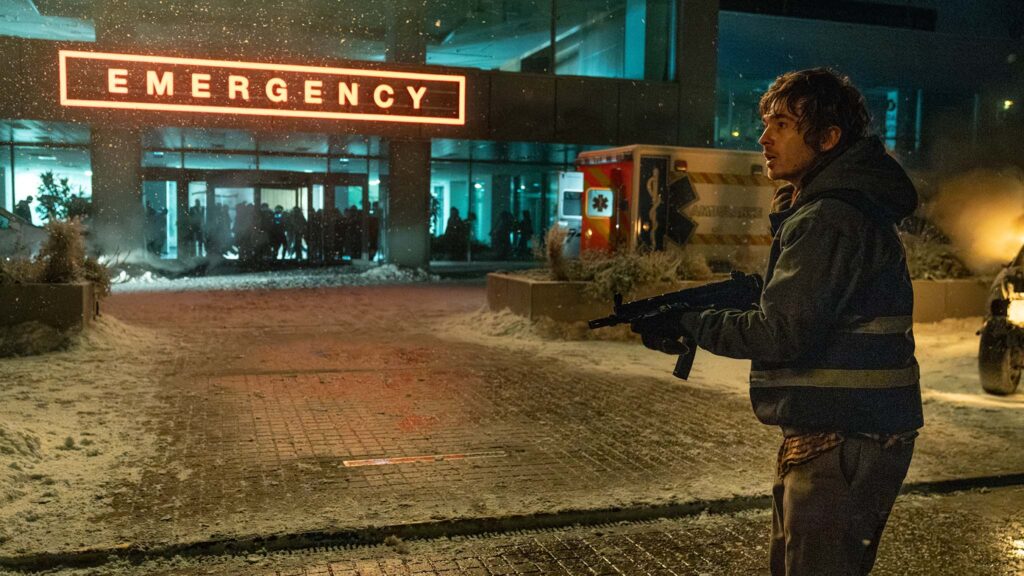
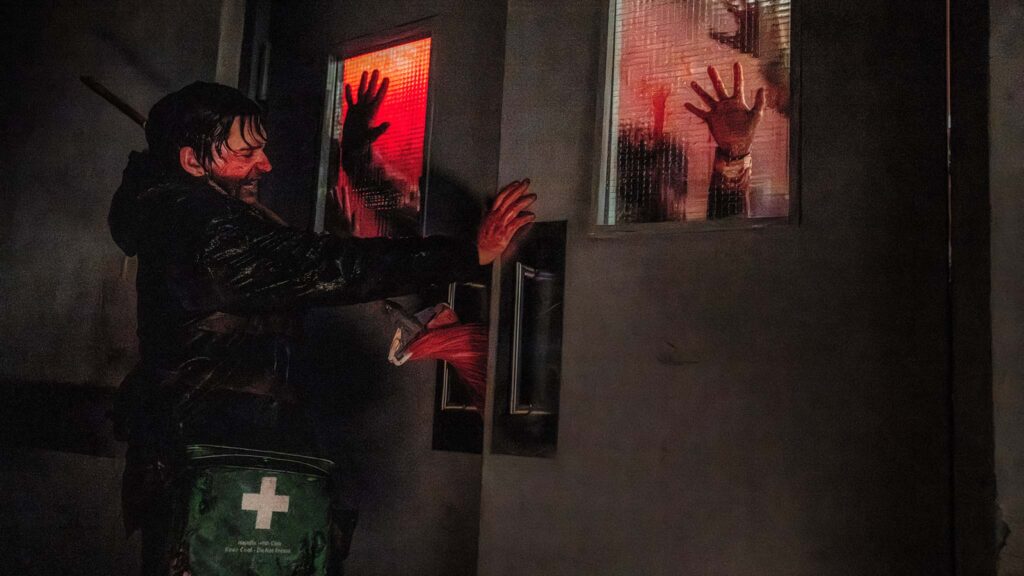
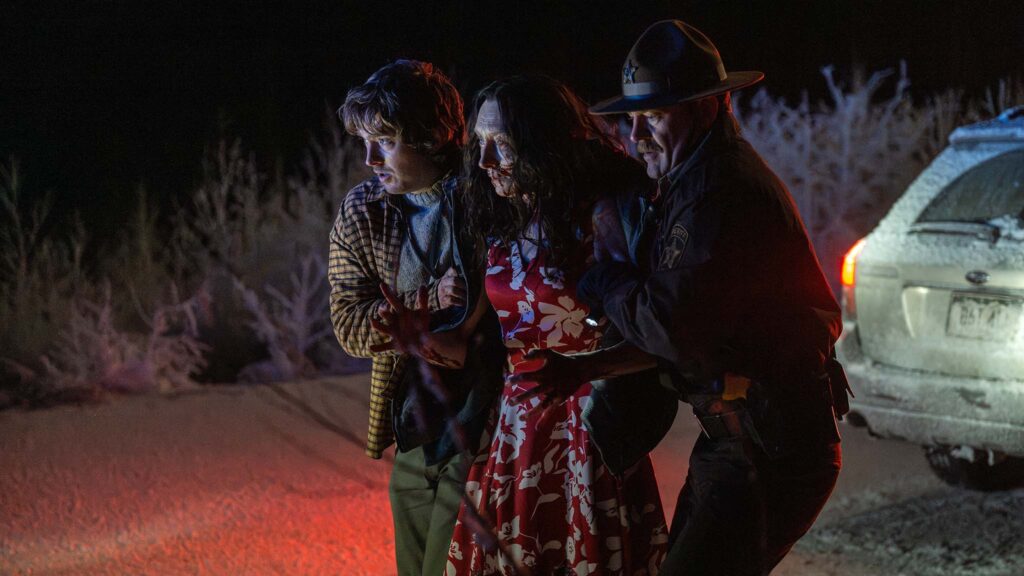
Review: Game on… finally. Zach Cregger, director of Weapons and Barbarian, revitalises the horror franchise based on the Capcom video game series with a script co-written by Shay Hatten. At the eighth time of asking, the pulse-quickening spills of the play-along Resident Evil translate sweetly to the big screen, delivering diabolical jump-out-of-seat scares alongside impeccably lit sequences of sustained tension that shred nerves and leave fingernails gnawed down to the cuticles.
Noticeably, the script abandons characters from the games and introduces a new unlikely hero caught up in the initial outbreak of a virus engineered by the shadowy Umbrella Corporation. Enter aimless 30-something Bryan (Austin Abrams), who works for Lightfoot Medical Transportation and couriers transplant organs against the clock to surgical teams around his local area. He accepts double money to complete a Category A delivery to Raccoon City General Hospital during a blinding snowstorm. Bryan slings the organ bag around his neck. “You’re not delivering a pizza,” scolds the surgeon.
On the treacherous drive to Raccoon City, Bryan isn’t paying attention to the road and he collides with a woman (Andrea Miltnerova), who miraculously survives the head-on collision. The courier awkwardly places her in the passenger seat, promising to get her treatment at the hospital. As he battles against the elements with chains on his tyres, Bryan discovers a deadly contagion has swept through Raccoon City and the snow-laden outskirts, transforming residents into hideous and deadly mutations. The courier unwittingly holds the key to salvation and Umbrella Corporation scientist Carl (Paul Walter Hauser) and gun-toting enforcer Pauline (Kali Reis) are nervously awaiting his arrival.
Resident Evil is a delicious slice of skin-crawling terror that honours the mechanics of the video games (Bryan levels up weaponry throughout the film to cope with increasingly elaborate set pieces) but isn’t handcuffed to the T-virus mythology or ill-fated survivors that have gone before. Cregger works closely with Oscar-nominated cinematographer Dariusz Wolski to mercilessly exploit the heart-in-mouth potential of a lone character venturing through dimly lit locations with just a mobile phone torch to light the way.
Immersive sound design heightens tension: the rhythmic sound of Bryan’s shoes crunching freshly laid snow as he tracks bloody-spattered footprints into a forest doesn’t require any synth-laden intervention from composers Ryan and Hays Holladay, who worked on Weapons. Abrams’ droll verbosity, gibbering to himself as mind-bending madness unfolds around him, is welcome comic relief. “I’ve only used guns in video games. They’re confusing in real life,” he quips to Carl after a clumsy interaction with a firearm almost ends in calamity. The overblown finale is anticlimactic after the sadistically teasing build-up but even with its maddening and messy resolution, this Resident Evil is easily the most thrilling instalment in the series.
Find Resident Evil in the cinemas
Animation
Shaun The Sheep: The Beast Of Mossy Bottom (U)
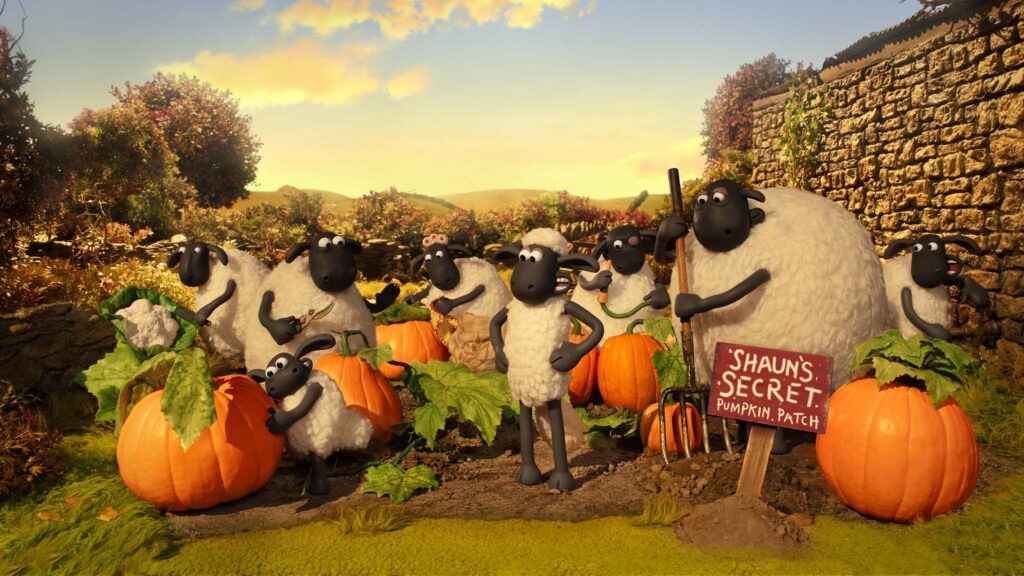
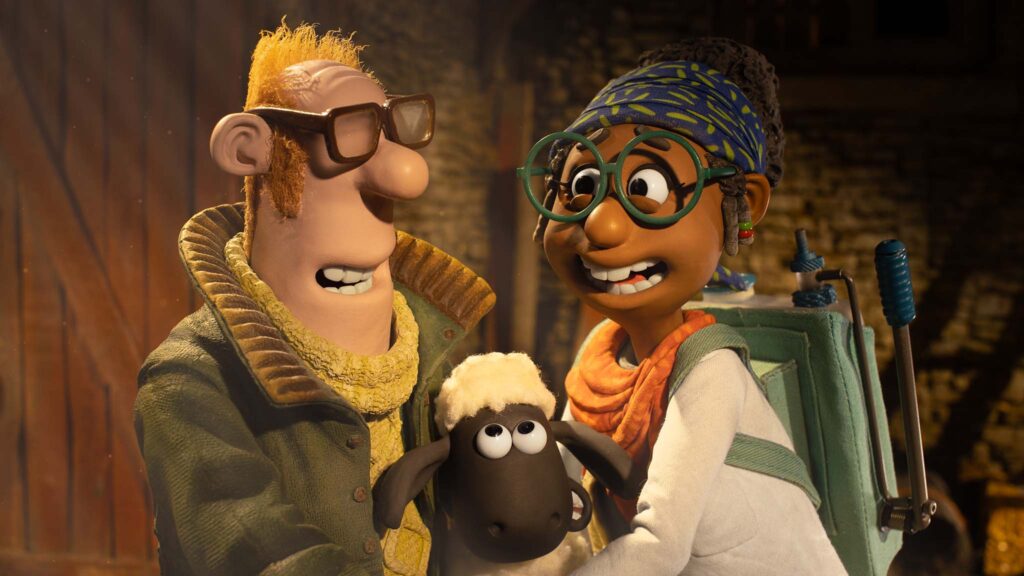
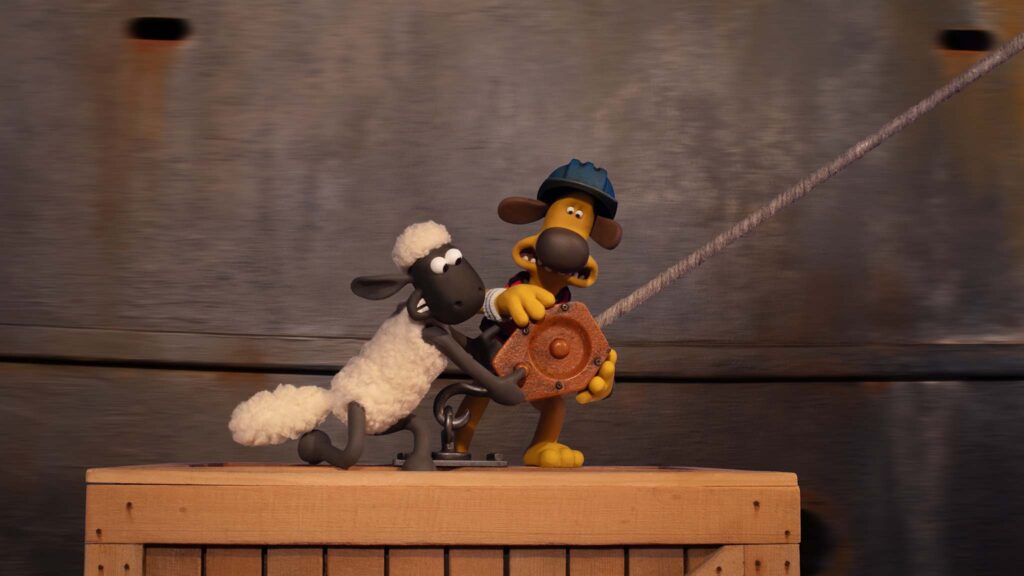
Review: Tricks and treats are doled out in equal measure in Aardman Animations’ spooky third big screen outing for the lovable woolly hero, who first appeared in Wallace and Gromit’s 1995 caper A Close Shave. Set a few days before Halloween, Shaun The Sheep: The Beast Of Mossy Bottom unleashes mad science down on the farm for a fast-paced jolly jape that will delight audiences of all ages with visual gags and the Bristol-based studio’s trademark stop-motion artistry.
Shaun (bleated by Justin Fletcher) and the flock secretly cultivate a pumpkin patch on Mossy Bottom Farm behind the backs of the Farmer (John Sparkes) and sheepdog Bitzer (Sparkes again). The unexpected arrival of the local Vet (Nina Sosanya), on whom the farmer has a blush-inducing crush, leads to disaster and the pumpkin crop is smashed to pulpy smithereens. Little Timmy (Fletcher again) is heartbroken and Shaun vows to transform pumpkin seeds into a bumper new crop of giant squashes that can be carved into jack-o’-lanterns. The hoofed hero establishes a makeshift laboratory in a windmill and experiments with potions and lightning strikes to give birth to a luminous pink chemical that can supersize the orange gourds.
Alas, Shaun stores his potent concoction inside an empty bottle of the Farmer’s baldness cure and the lovesick landowner innocently splashes on the lotion to woo the Vet as his dance partner at the forthcoming Halloween Hoedown. Rigorous logic is hair today, gone tomorrow when the Farmer is transformed into a hulking and hirsute monstrosity, whose thick fur grows back just as quickly as he can shave and wax it. Once locals glimpse the hideous beast in their midst, they rally a pitchfork-wielding mob and Shaun and co race against the clock to develop an antidote to save the Farmer from an unjust fate.
Shaun The Sheep: The Beast Of Mossy Bottom is a shear delight, gambolling excitedly through 80 minutes of family-friendly mischief and merriment. This Flocky Horror Picture Show nods affectionately to classic monster movies and winks playfully to classic BBC children’s programmes and Aardman’s rich history. Screenwriters Mark Burton and Giles Pilbrow don’t pull the wool over our eyes, complementing linear storytelling with a steady bombardment of puns, pratfalls and good-natured tomfoolery. Obvious pop culture references such as the dance choreography from Michael Jackson’s Thriller frolic next to jokes that will fly over younger heads and some genius wordplay (exhibit one: signage for a Mossingham business called Barber Black Sheep).
The gags to giggles ratio of Steve Cox and Matthew Walker’s picture is lower than many of Aardman’s previous escapades but the studio has raised the bar so many times for stop-motion animation over the past 50 years that it’s understandable if some projects limbo beneath those impressively high standards. Better ungulate than never.
Find Shaun The Sheep: The Beast Of Mossy Bottom in the cinemas