

Horror
28 Years Later: The Bone Temple (18)
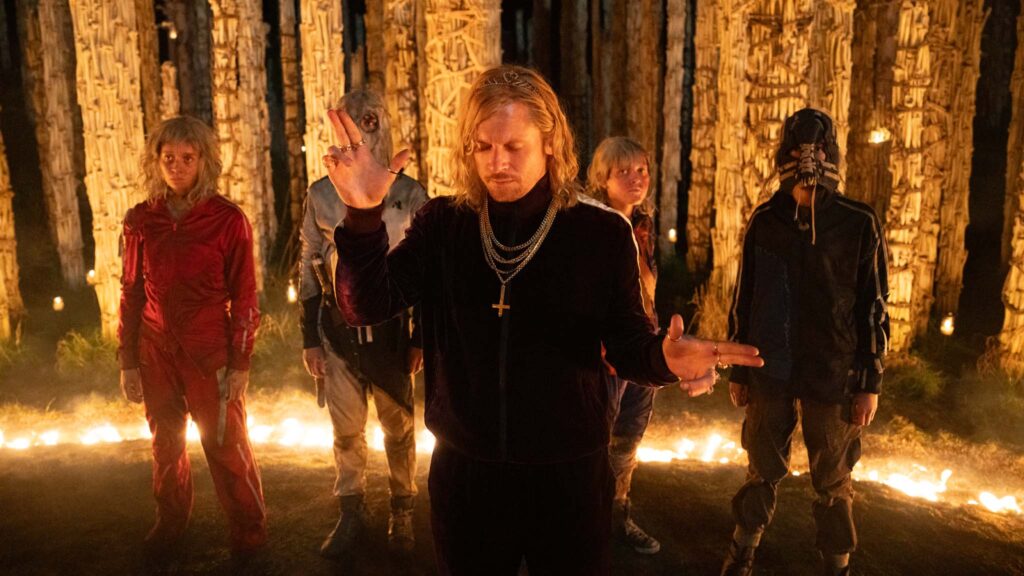
Review: If heaven is a place on Earth then hell must logically exist somewhere on terra firma too. Director Nia DaCosta accepts the directorial baton from Danny Boyle to conjure a gore-slathered purgatory for survivors of the deadly rage virus in the second chapter of a bloodthirsty horror trilogy written by Alex Garland. Following the events of 28 Years Later, terrified teenager Spike (Alfie Williams) is separated from his family and fortified island home, and trembles in the grip of Satanist gang leader Sir Lord Jimmy Crystal (Jack O’Connell).
A deranged cult reveres Jimmy as the spawn of Old Nick and the showman channels edicts from his father to adoring acolytes Jimmima (Emma Laird), Jimmy Fox (Sam Locke), Jimmy Ink (Erin Kellyman), Jimmy Jimmy (Robert Rhodes), Jimmy Jones (Maura Bird) and Jimmy Snake (Ghazi Al Ruffai), who must continually prove their unwavering devotion to the Lord of Darkness. Spike aligns himself with Jimmy Crystal to survive until he can engineer an escape from his hellish ordeal.
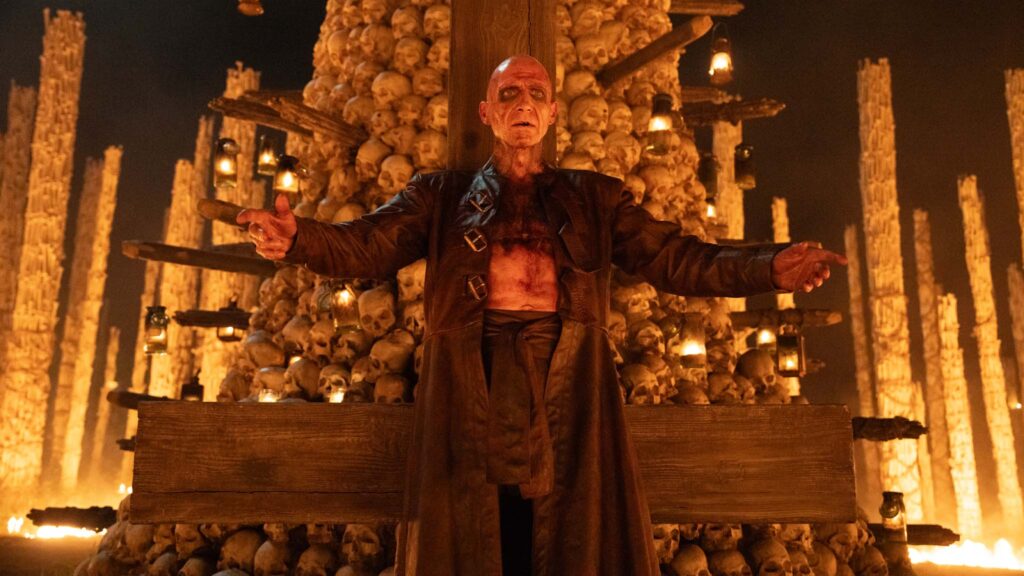
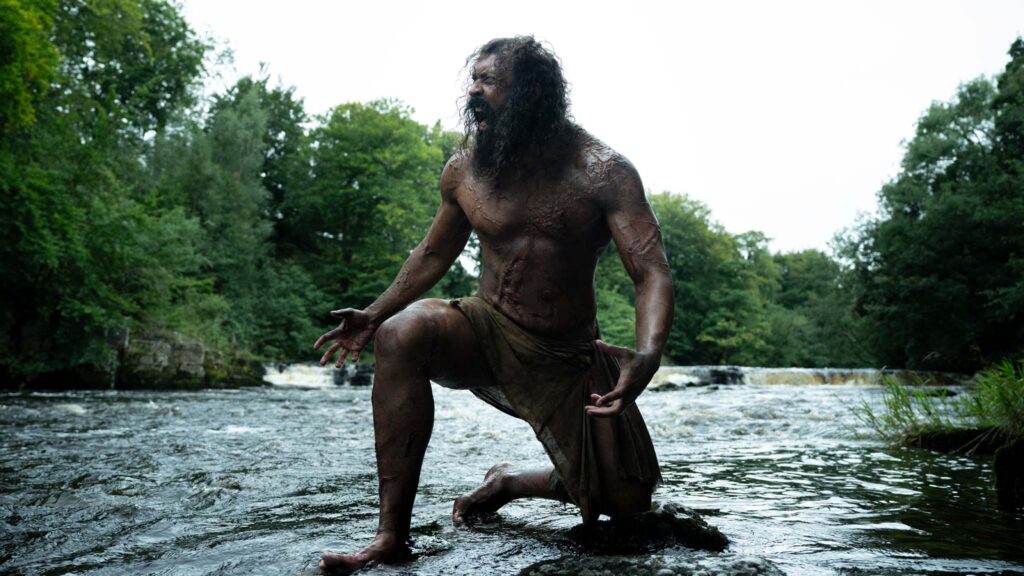
Meanwhile, Dr Kelson (Ralph Fiennes) continues to honour the fallen at his towering memorial of skulls and bones. The iodine-slathered medic forges a curious connection to Samson (Chi Lewis-Parry) and uses morphine-tipped blow darts to temporarily sedate the hulking Alpha and safely remove arrows from the infected brute’s torso. “You owe me one,” quips Kelso to his incapacitated patient. “Just kidding. I’m NHS – no charge!” As Samson recuperates, continued observation reveals a new glimmer of hope for survivors of the contagion.
28 Years Later: The Bone Temple is more gory and graphically violent than its predecessor including a protracted torture sequence that depicts helpless victims being flayed alive as so-called ‘charity’. One human head is forcibly torn from a body, exposing a glistening spinal cord, before the glutinous contents of the victim’s cranium are devoured in ravenous mouthfuls. Garland’s script applies a tourniquet to the sunnier side of human nature to restrict blood flow to kindness and compassion. There is no age restriction to the brutality, evidenced in a wince-inducing opening foray that establishes the disposability of onscreen characters. Several fresh faces are introduced purely as meat for the grinder.
Fiennes underscores the quiet dignity of his man of science and he lets loose to Duran Duran in the closest the sequel comes to a demonstration of euphoric release. Youngster Williams spends most of the picture in tremulous fear while O’Connell’s Jimmy Savile-inspired villainy induces an occasional discomfiting shudder. In the same way Jimmy Crystal was introduced in the closing minutes of 28 Years Later to bait the hook of this second film, a familiar face from the franchise manifests unexpectedly at the climax of the sequel and neatly sets up Garland to bring the post-apocalyptic nightmare full circle from 2003.
Find 28 Years Later: The Bone Temple in the cinemas
Animation
Miss Moxy (U)

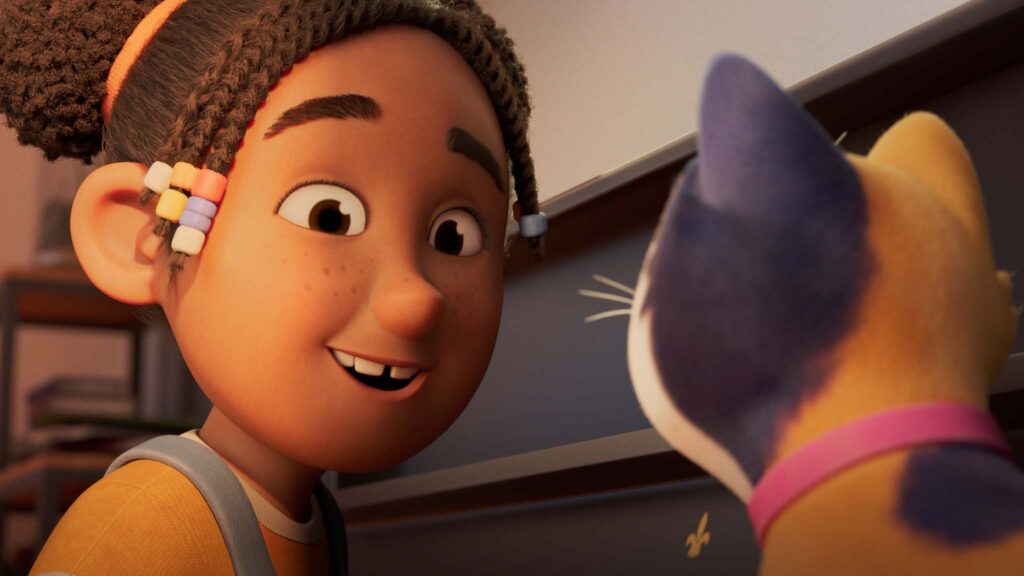
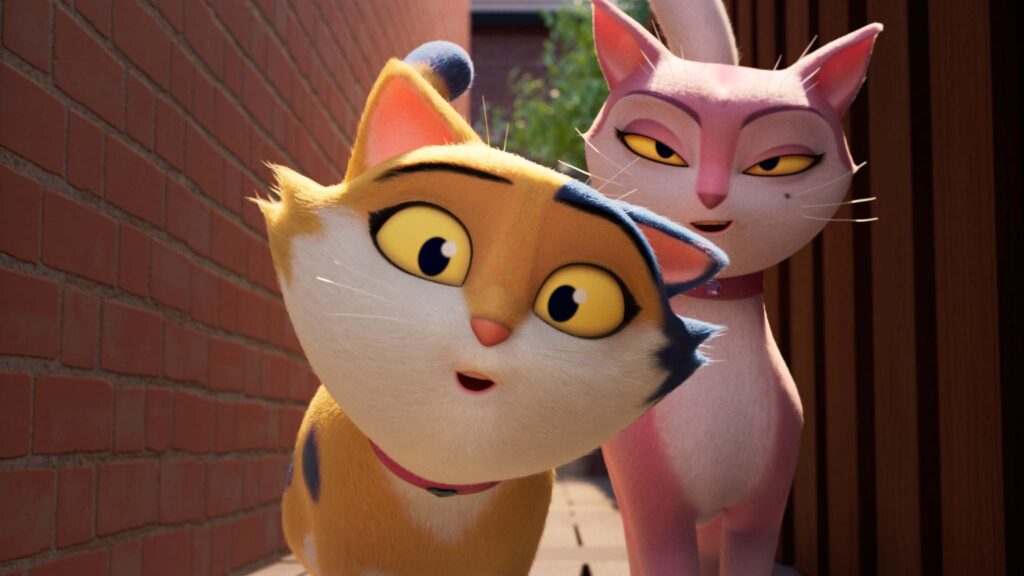
Review: The animal magic is rudimentary but sweetly sincere in a Dutch and Belgian co-produced computer animation directed by Vincent Bal and Wip Vernooij based on the true story of a tabby cat named Boo, who found her way back home after 13 years. Breezily dubbed into English for family audiences in the UK and Ireland, Miss Moxy treads lightly on its paws when it comes to on-screen violence and threat, punctuating an episodic journey from countryside to city with upbeat original songs.
Moxy (voiced by Tess Bryant) is the house cat of nine-year-old Josy (Matilda Boselli) and her parents, Rudy (Vincent Broes) and Hanna (Debby Phillips). The pampered puss slinks over city rooftops with her sisters in cattitude led by well-to-do Pink (Arianna D’Amato), loudly extolling their self-granted status as “the VIPs of the litter box” to other pets in the neighbourhood. Rudy and Hanna tell Josy they are going on holiday to a farmhouse near Lyon and Moxy will be cat-sat by Grandma (Judith Okon) in their absence. The girl smuggles her favourite furball into a bag and the parents reluctantly agree to bring along Moxy.
Farmhouse owner Rita (Ella Leyers) is preparing to appear on Animals Got Talent with her tightrope-walking dog Brute (Pieter Embrechts). When she discovers Moxy can play the piano, she catnaps the animal and pretends Moxy ran away. Josy is heartbroken and returns home to the city without her four-legged soulmate. Meanwhile, Moxy blags her way out of confinement by filling Brute’s head with dreams of Doggo Paradise and the resourceful feline embarks on an epic trek back to the city using a swallow named Ayo (Richard Wells) as a wise-cracking Satnav perched on her back.
Miss Moxy is a rites-of-passage story that sinks its claws politely into predictable narrative beats and hisses loudly the importance of friendship and self-belief to overcome obstacles that life invariably throws in our paths. Visuals falls short of The Secret Life Of Pets and other pedigree breeds on the animation block. Featured cats are short-haired or have coats that conveniently don’t ruffle in the gentlest breeze, negating any need for the army of animators to fixate on the realistic movement of creatures’ fur in different weather conditions and scenarios.
Vocal performances are similarly solid but unremarkable although Wells comes closest to standing out from the flock with his woe-is-me feathered sage, who has a few choice sayings under his wing (“Shame is the adviser of wounded pride”) that will soar over the heads of the target audience. Musical numbers are gentle bops and a sub-90-minute running time will be cat nip to parents’ ears.
Find Miss Moxy in the cinemas
Comedy
Rental Family (12A)
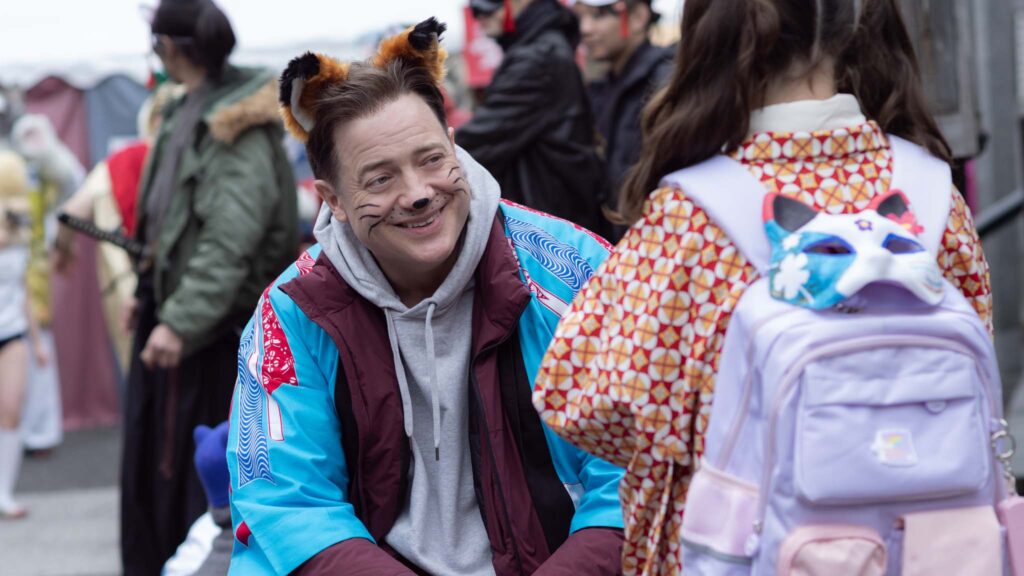
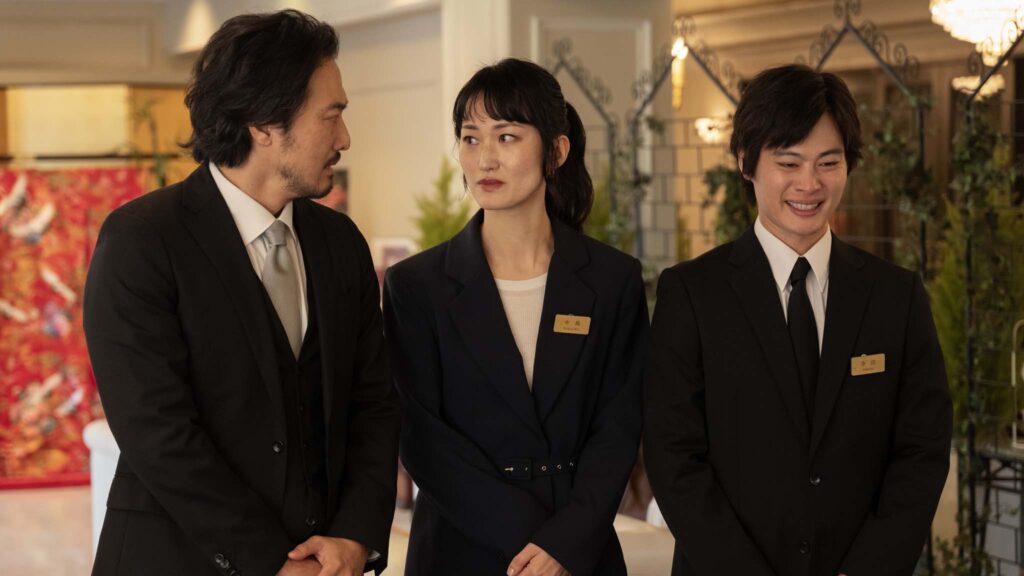
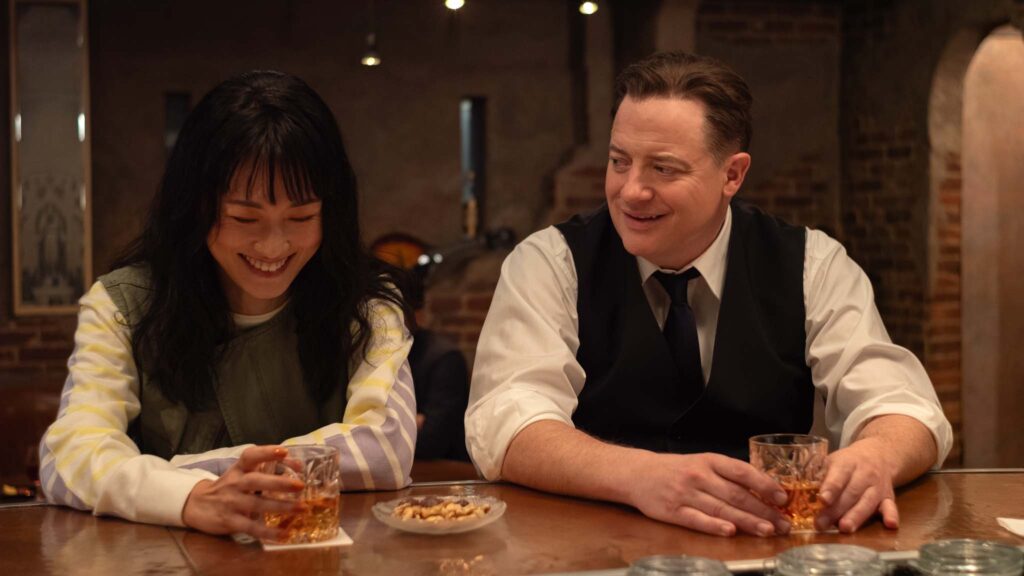
Review: Modern families aren’t bound by biology or bloodlines. They can be chosen and curated or, as in the case of filmmaker Hikari’s quirky comedy drama, manufactured with wholesome and altruistic intent using paid actors. Hundreds of family rental business exist in Japan and offer bespoke services to clients who feel isolated and are seeking genuine human connections. Actors become surrogate family members, friends and romantic partners. These transactional relationships manifest tangible emotion and healing.
American actor Phillip Vanderploeg (Brendan Fraser) lives in Tokyo, where he has found fleeting fame as a superhero character in a toothpaste TV commercial. He auditions for roles as “a token white guy” and like many performers, has grown accustomed to rejection. He accepts his greatest challenge when he agrees to work for a rental family agency run by Shinji (Takehiro Hira). Phillip’s first gig is playing a mourner at a mock funeral. “What’s my role?” asks the bemused actor. “Sad American”, curtly responds Shinji. At first, Phillip does not fully comprehend the subtleties of the work and agency staff Aiko (Mari Yamamoto) and Kota (Kimura Bun) fear reputational damage when the American gets stage fright shortly before he prepares to ‘marry’ Yoshie (Misato Morita) in front of her parents, who are blissfully unaware their daughter is a lesbian.
Experience bolsters Phillip’s self-confidence and he accepts simultaneous assignments. Firstly, he pretends to be the long-lost father of Mia Kawasaki (Shannon Mahina Gorman) so her mother Hitomi (Shino Shinozaki) can enrol her in a private school which places great value on a stable family unit. Phillip also poses as a journalist to interview retired actor Kikuo Hasegawa (Akira Emoto), who is suffering with dementia and is a danger to himself. Kikuo’s daughter Masami (Sei Matobu) intends for Phillip to covertly care for her father in her absence.
Rental Family is a charming and offbeat comedy drama, which mines humour and heartwarming sentiment from a business practice that seems rather curious at first glance through cynical western eyes. By the end of Hikari’s picture, the value of these agencies is apparent in a gently paced script co-written by Hikari and Stephen Blahut, which affirms you can make it by sensitively faking it. Everyone and everything has a price tag and when tears fall, there is a nagging suspicion we are the ones being manipulated.
Fraser’s sweet-natured likeability provides a clear emotional tether and he confidently navigates Phillip’s narrative arc from clueless western outsider to culturally aware ambassador. Newcomer Mahina Gorman is wonderful as the unsuspecting young client, who would be devastated if she ever knew the truth about Phillip’s paid role in salving her paternal heartache. Deep discourse about the potential psychological damage to young Mia is lost entirely in translation.
Find Rental Family in the cinemas