

Drama
The Death Of Robin Hood (15)
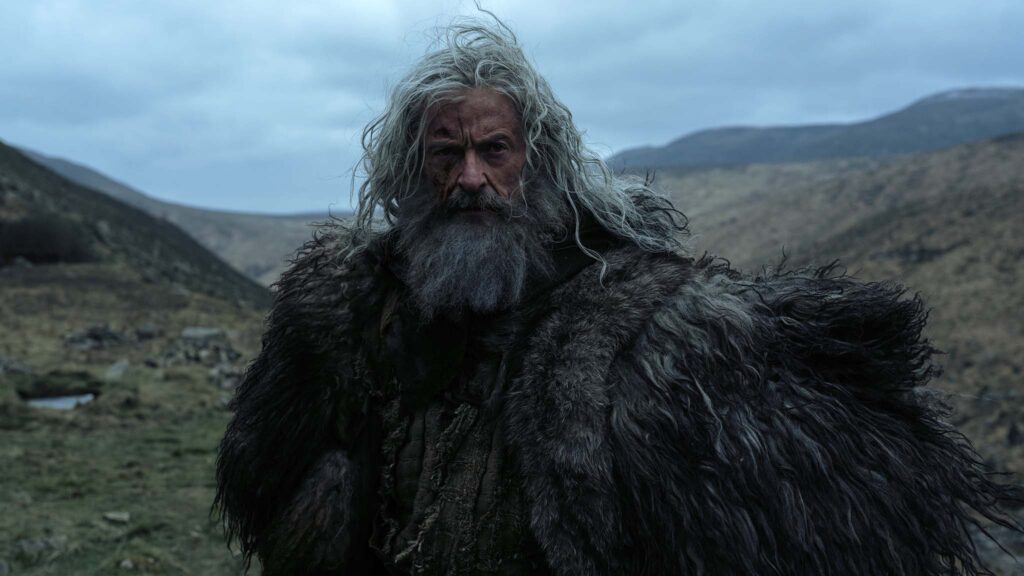
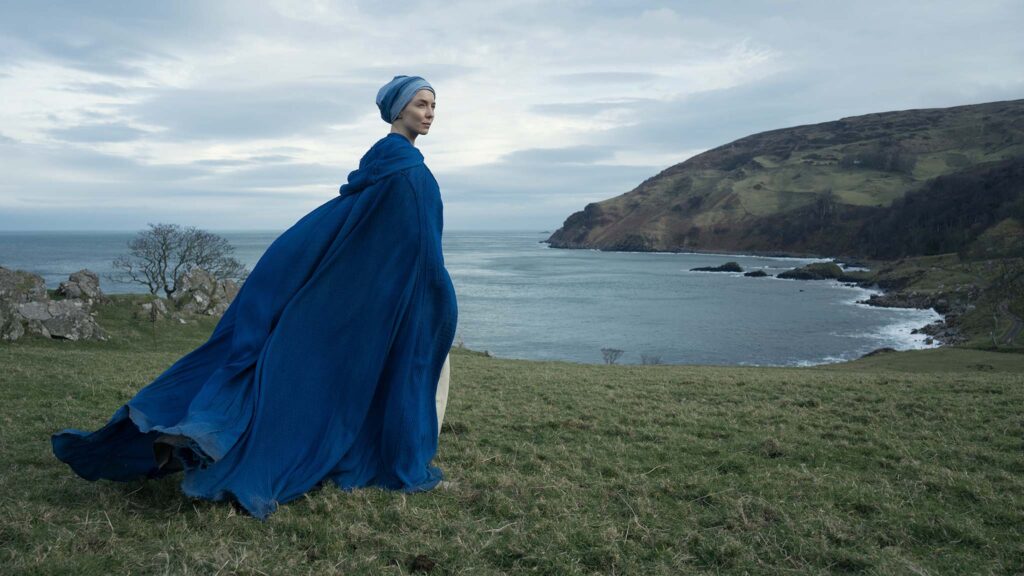
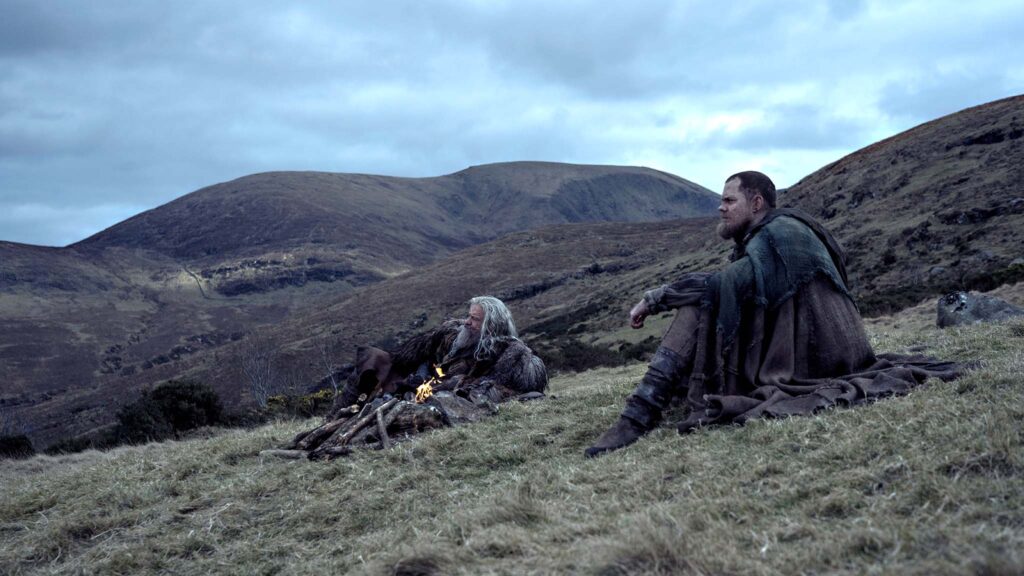
Review: The last two major motion pictures dedicated to the English folk hero galloped through well-trodden pastures. Ridley Scott’s self-titled 2010 romp with Russell Crowe in the lead role stampeded historical accuracy beneath the hooves of bombastic action sequences while Otto Bathurst’s 2018 picture engineered a bewildering battle royale between Taron Egerton’s returning crusader and Ben Mendelsohn’s boo-hiss Sheriff of Nottingham, with Jamie Foxx a curious addition as Little John. Director Michael Sarnoski, who previously made A Quiet Place: Day One, gets down and dirty in the muck and grime of AD 1247 England for this gloomy, revisionist take on Robin Hood, focusing on the outlaw’s final years as he wearily awaits retribution for manifold sins of the past. Death does not come quickly.
Robin (Hugh Jackman) is a shaggy-haired and straggly-bearded shadow of the man once venerated in folklore, living in solitude in mid-13th-century England and occasionally calling upon his archery and fighting skills to repel attempts on his life. Robin reunites briefly with Little John (Bill Skarsgard), who has taken an assumed name, and agrees to help his friend reclaim property and pride using the language of violence. Robin is badly wounded in the melee and under the name of Randolph, he seeks refuge at a priory where Sister Brigid (Jodie Comer) nurses him back to health. She is blissfully unaware of Randolph’s true identity and he has good reason to conceal it from her since she has a grudge to bear against the elusive outlaw.
Robin rediscovers forgiveness and fragments of his humanity through his interactions with a leper (Murray Bartlett), who acts as a caretaker at the priory. Little John’s daughter Margaret (Faith Delaney) arrives unexpectedly and Randolph takes her under his wing. In return, she agrees to keep Robin’s secret, but the past eventually catches up with him.
The Death Of Robin Hood dismisses a conventional depiction of the title character as an authority-flouting redistributor of privileged wealth. From the first moment Jackman appears on screen looking like a wind-ravaged player from a Shakespearean tragedy, Sarnowski’s lethargic script languishes for extended periods in silences soaked with regret as a brutish murderer reflects on a lifetime dodging consequence and justice. The relentlessly sombre tone and subversion of (super) heroic ideals are reminiscent of Jackman’s gritty Wolverine swansong, Logan, but the dramatic pay-off in Sarnowski’s picture is less satisfying.
Jackman’s accent goes wandering across windswept moors and doesn’t settle comfortably in one geographical region, but he is convincingly tortured in close-up. Comer offers strong support in surprisingly limited screen time. Concealed beneath impressive prosthetics, Bartlett commands his scenes by stealth. He is one heart-tugging revision to justify a two-hour running time that occasionally feels like wading through thick, choking mud.
Find The Death Of Robin Hood in the cinemas
Drama
Late Fame (15)
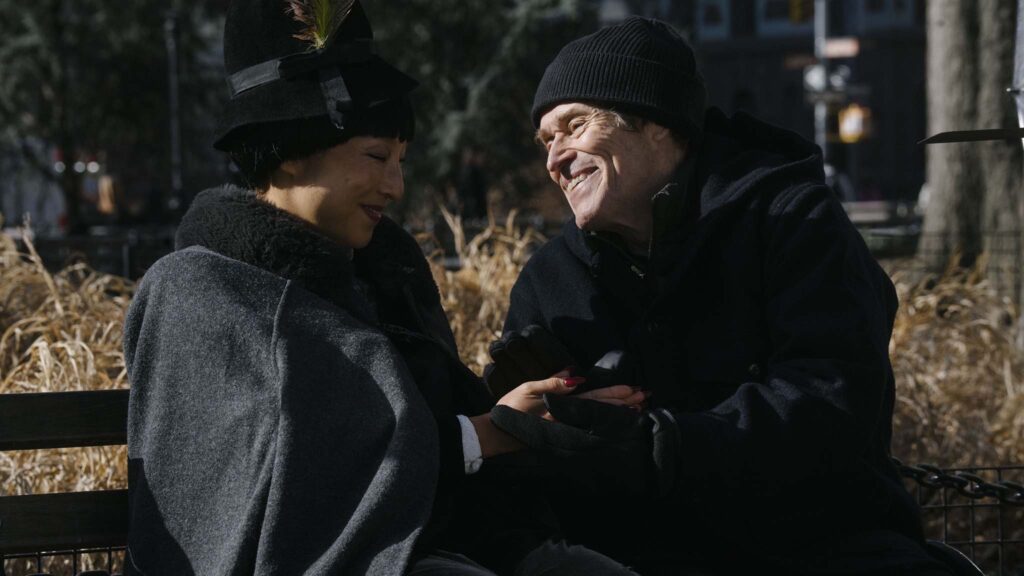
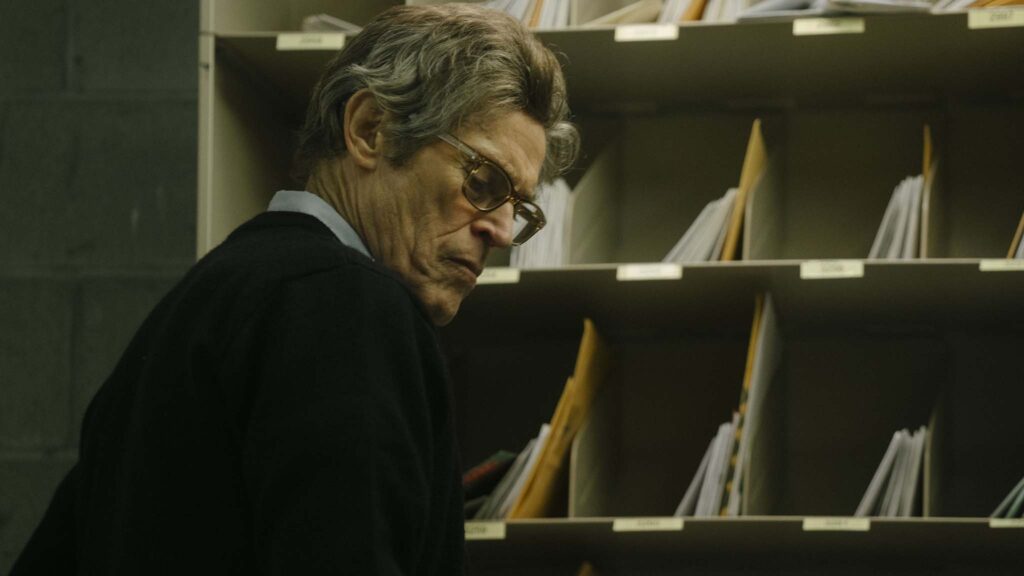
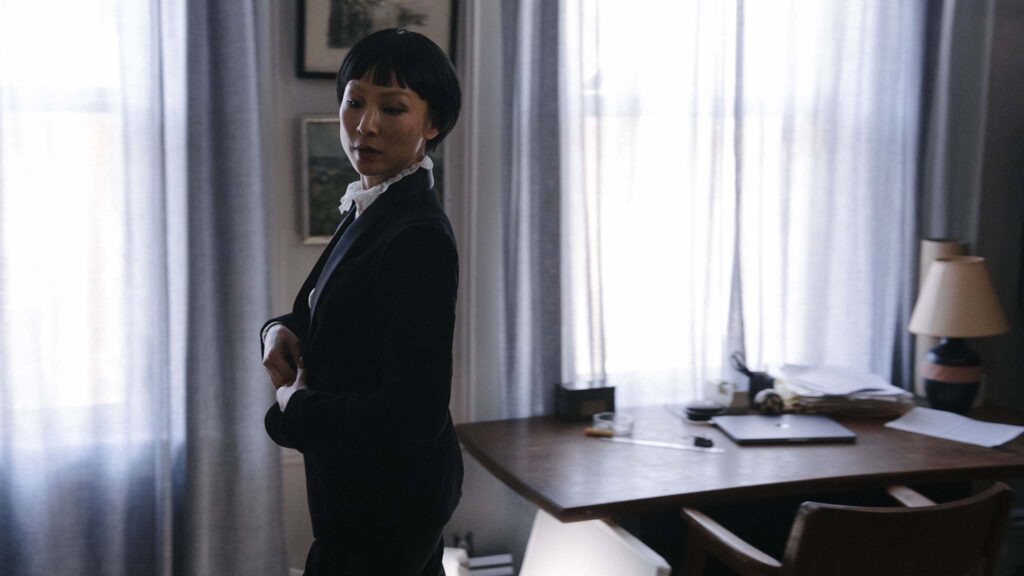
Review: There is no expiry date on creativity in Kent Jones’s thoughtful character study, adapted for the screen by Samy Burch from Arthur Schnitzler’s novella. Shot on location in New Jersey, Late Fame is galvanised by a quietly commanding performance from Willem Dafoe as a 60-something United States Postal Service worker, whose 1979 collection of poetry suddenly finds an audience. Belated adulation is a jolt of adrenaline to someone who hasn’t penned verse for years. Youth is wasted on the young but it’s an invigorating tonic to a Baby Boomer who contentedly reflects, “I had my time, it ended”.
Ed Saxberger (Dafoe) is part of the furniture in his quietly thrumming Manhattan mailroom. He is a creature of self-imposed habit, eating the same sandwich at a neighbourhood bar in the company of drinking buddies who don’t know him well enough to comfortably call him a true friend. Out of the blue, a 20-something called Meyers (Edmund Donovan) approaches Ed outside his apartment block and lavishes compliments on his long-forgotten collection of poetry, Way Past Go. “You made a masterpiece, whether people know about it or not,” gushes Meyers.
He asks Ed to accompany him to a nearby meeting of The Enthusiasm Society where a small coterie of poets, artists, essayists and intellectuals regularly celebrate the written word. After fervent persuasion, Ed attends and is warmly embraced by the core group comprising Meyers, Brussard (Clay Singer), Carmichael (Arthur Langlie), Sherfey (Graham Campbell) and Winn (Luca Padovan). A sole female voice, absinthe-sipping stage actor Gloria (Greta Lee), is permitted to infiltrate this bastion of white male privilege and she is delighted when Ed agrees to write new work for a forthcoming reading.
Late Fame rests comfortably on Dafoe’s broad shoulders and he subtly fleshes out a multi-layered character who comes alive in the company of a younger generation that rejects technology, mocks influencers and experiential creators, and boldly professes to be “standing up against negativity, vulgarisation, the monetisation of everything”. Jones’s camera frequently lingers on Dafoe’s face, capturing the microexpressions that convey how Ed feels about The Enthusiasm Society and its ideals.
Lee fizzes with energy from the moment she slinks beguilingly on screen and bemoans the sudden loss of a key member of cast of her latest stage play to “an episode of some police procedural on network television… it’s obscene!”. Dafoe’s mailman can’t take his twinkling eyes off Gloria and nor can we. It’s a revelatory performance in stark contrast to her quiet, introspective work in Oscar-nominated drama Past Lives. Burch’s script is elegantly stitched together with meaty dialogues and the cast, particularly Dafoe and Lee, savour the rhythms of language. Poetry in emotion.
Find Late Fame in the cinemas
Horror
Leviticus (15)
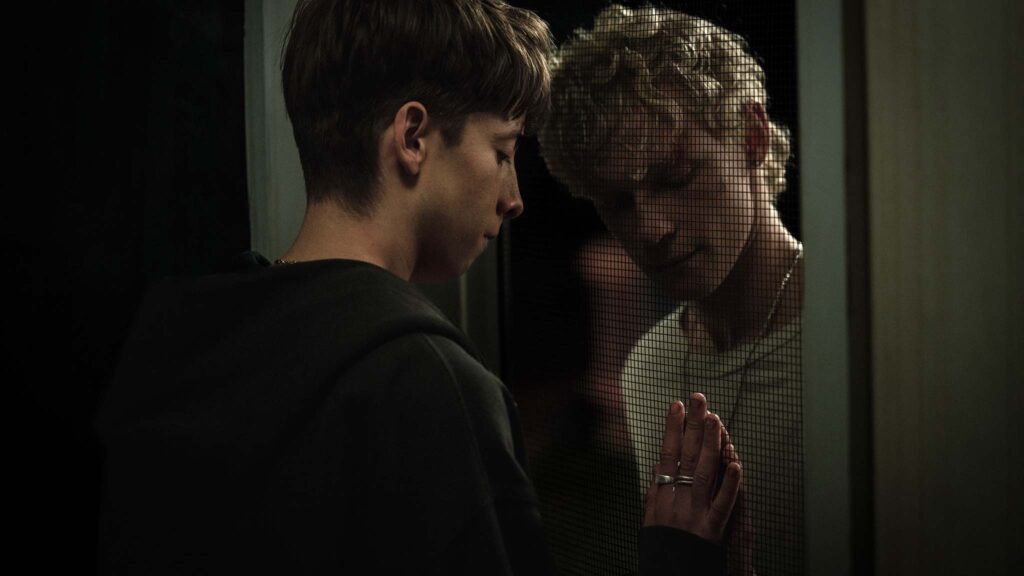
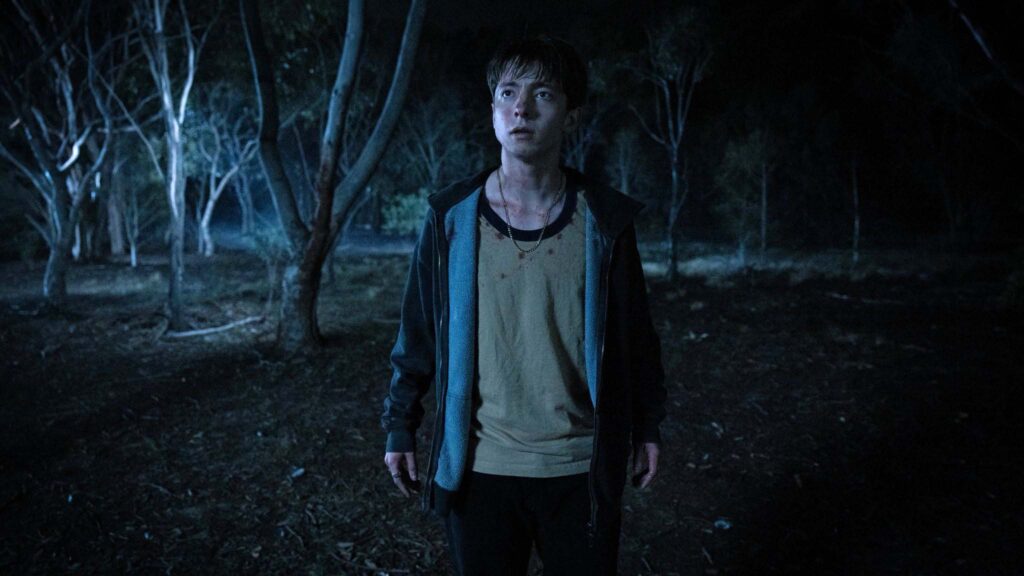
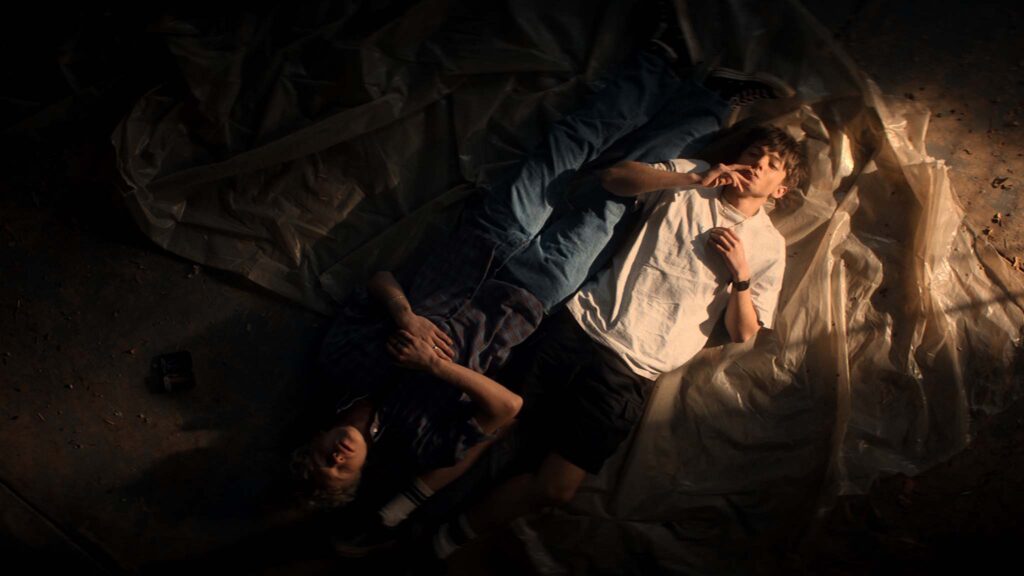
Review: Love is a drug that kills in Australian writer-director Adrian Chiarella’s horny horror. Inspired by the filmmaker’s experiences of growing up gay in a conservative community, Leviticus mines timely concerns about conversion therapy and rising numbers of hate crimes against the LGBTQ+ community to conjure a malevolent force that takes on the form of the person you desire the most. This demonic doppelganger lures victims into a moment of lust-fuelled intimacy then seizes them by the throat and fatally violates willing flesh when their defences are down. Safe sex is a misnomer through Chiarella’s blood-smeared lens.
Emotionally reserved teenager Naim (Joe Bird) and his mother Arlene (Mia Wasikowska) move to an evangelical Christian town in Victoria where the grieving matriarch finds comfort among the local congregation led by pastor Rod (Ewen Leslie) and his wife Jacky (Edwina Wren). Naim has always felt a ball of fear in the pit of his stomach, knowing he is different, but he soon realises another boy, Ryan (Stacy Clausen), is also gay. Sparks of sexual attraction ignite and the pair meet in secret, concealing their authentic selves from a disapproving flock that views homosexuality as a sin.
Naim falls victim to jealousy when he sees Ryan kissing pastor’s son Hunter (Jeremy Blewitt) and the greened-eye boy outs his peers. With the blessing of the pastor, an enigmatic healer (Nicholas Hope) performs a gay exorcism to purge Ryan and Hunter of their homosexual desires and soon after, Hunter is murdered, supposedly by homophobic locals. Naim receives the same purification ritual, against his will, and is stalked by a relentless assassin that looks just like Ryan. Attacks intensify and Naim begs his mother to protect him. “I can’t help you,” she responds coldly.
Taking its title from the third book of The Bible which includes an oft-quoted verse about the “abomination” of a man lying with another man, Leviticus opens strongly with a teenage swimming pool lifeguard (Tyallah Bullock) falling victim to her invisible stalker, establishing the infernal rules of survival. Frustratingly, Naim and Hunter repeatedly ignore those rules to create fresh opportunities for carnage when exercising a modicum of common sense would keep both safe.
Less is more in terms of obligatory jump scares. Chiarella’s script only has one carefully orchestrated jolt and it works beautifully, delivered with full body-shuddering force without warning. Bird’s lead performance is gut-wrenching. He has mastered the art of crying convincingly in close-up and sparks molten screen chemistry with Clausen including a steamy moment on public transport to tightly handcuff our emotional investment in Naim and Ryan’s survival against diabolical odds. Thinking straight, in every sense, denies you happiness but keeps you alive.
Find Leviticus in the cinemas