

Sci-Fi
The End Of Oak Street (12A)
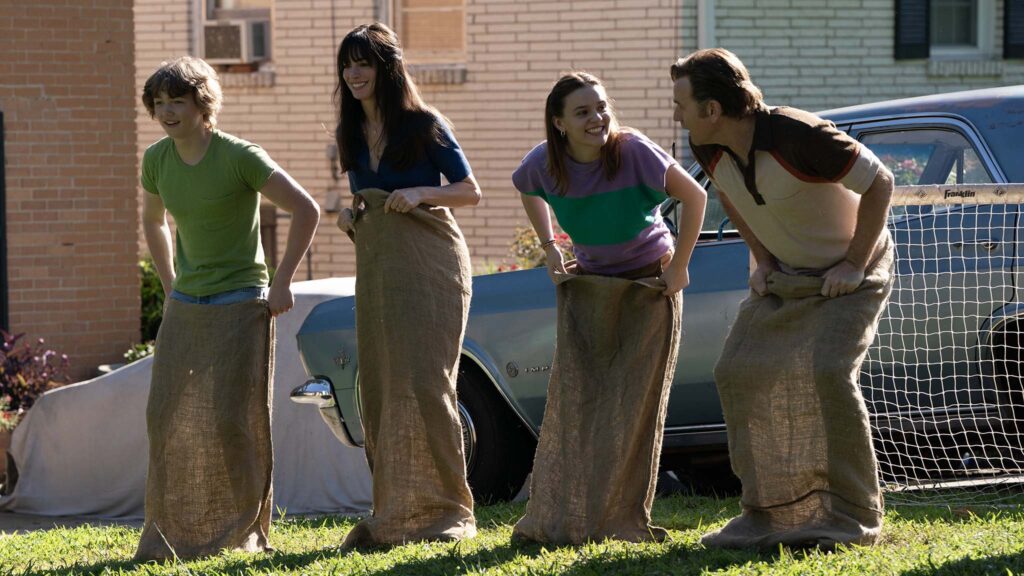
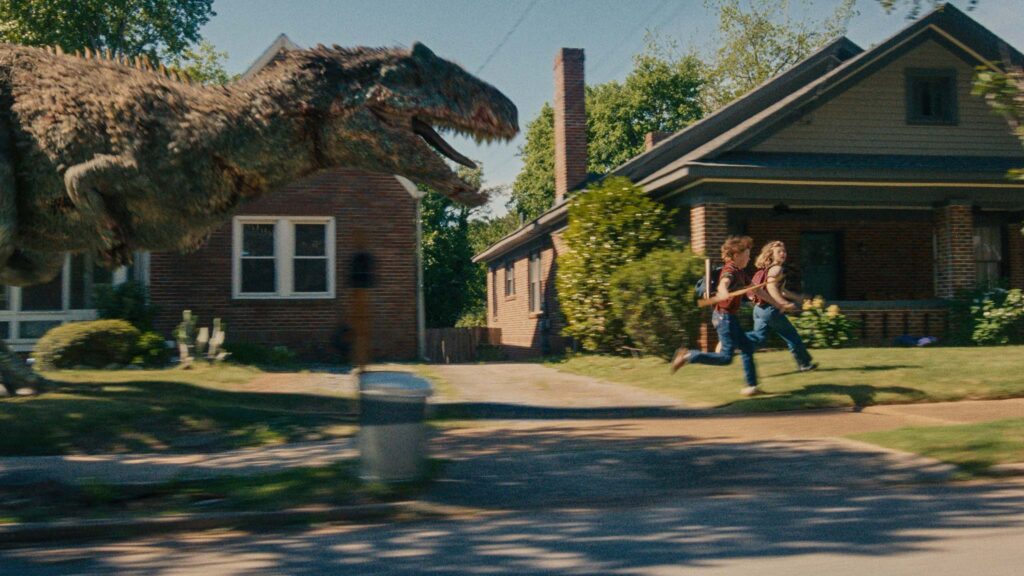
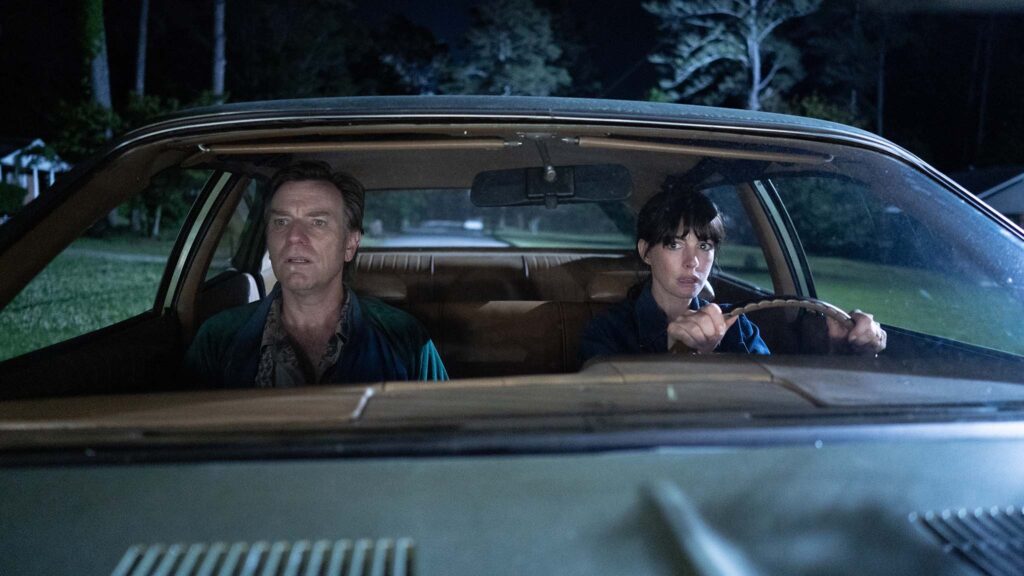
Review: If weird science suddenly transported you into the heart of Jurassic Park, how long do you think you would survive before a rampaging Spinosaurus or swooping Pterosaur used your femur as a rudimentary toothpick? Set in 1982, more than a decade before Steven Spielberg took his first gallivant with genetically engineered dinosaurs, The End Of Oak Street is a boisterous and brutal survival thriller festooned with rampaging prehistoric beasts, told from the perspective of a fractured family on the verge of implosion.
Denise Platt (Anne Hathaway) and husband Greg (Ewan McGregor) have reached an impasse in their marriage. Their children, Audrey (Maisy Stella) and Brian (Christian Convery), can sense the tension inside the family home on Oak Street. The unhappy mother seeks refuge in the basement where she types the first draft of a novel about a wife preparing to leave her husband and children. Ageing neighbour Mrs Huddleston (Anne Gee Byrd) kindly proof-reads the manuscript. Meanwhile, Greg disappears from family gatherings to earn cash from a secondary job as a pizza delivery man. Nothing remarkable happens in the nondescript slice of suburban America that Greg and Denise call home, unless you count occasional run-ins with argumentative next-door neighbour Mel (PJ Byrne), who has a vendetta against Brian’s dog Starbuck.
Blinding lights just after 11pm herald a bizarre phenomenon that teleports the Platts’ cosy neighbourhood back in time millions of years to a primeval vision of Earth populated by large, carnivorous creatures that relegate humans to the bottom of the food chain. The traumatised family must stick together in outrageous adversity to navigate perilous surroundings and locate other survivors of a terrifying time-jump.
The End Of Oak Street is a gung-ho romp that relishes every opportunity to feed humans into the slavering jaws of digitally rendered predators. Writer-director David Robert Mitchell is immune to casual sentimentality. The filmmaker gleefully racks up an impressive double-digit body count including repeated scenes of dinosaurs tearing at the exposed flesh of incapacitated human prey.
A couple of the breathlessly staged set pieces owe an obvious debt to the Jurassic Park and World franchises in their nerve-shredding execution but Mitchell engineers his own standout moment of skin-crawling mayhem with a creature that slithers quietly out of a backyard swimming pool. One interspecies skirmish elicits unintentional laughter then redeems itself with a ruthless payoff. Hathaway and McGregor commit wholeheartedly to their feuding spouses’ conflicting responses to threat. She embraces cold, hard realism and prefers to act on instinct while he languishes in a state of denial shrouded in cheerful optimism. “We’re going to survive and wait for the lights to take us back!” Greg calmly informs his family. On Oak Street at least, walking into the light might just be your salvation.
Find The End Of Oak Street in the cinemas
Comedy
Holy Days (12A)
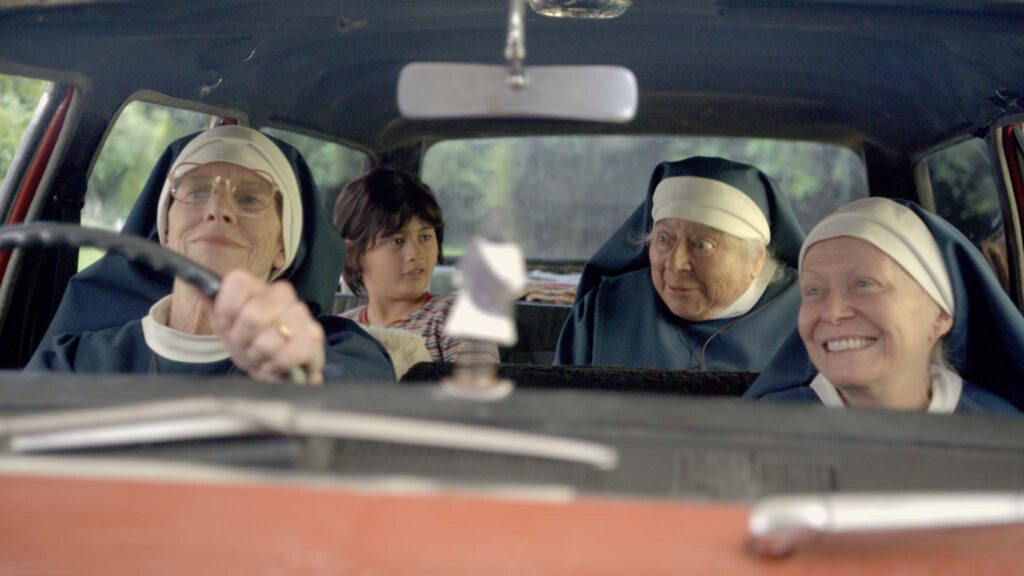
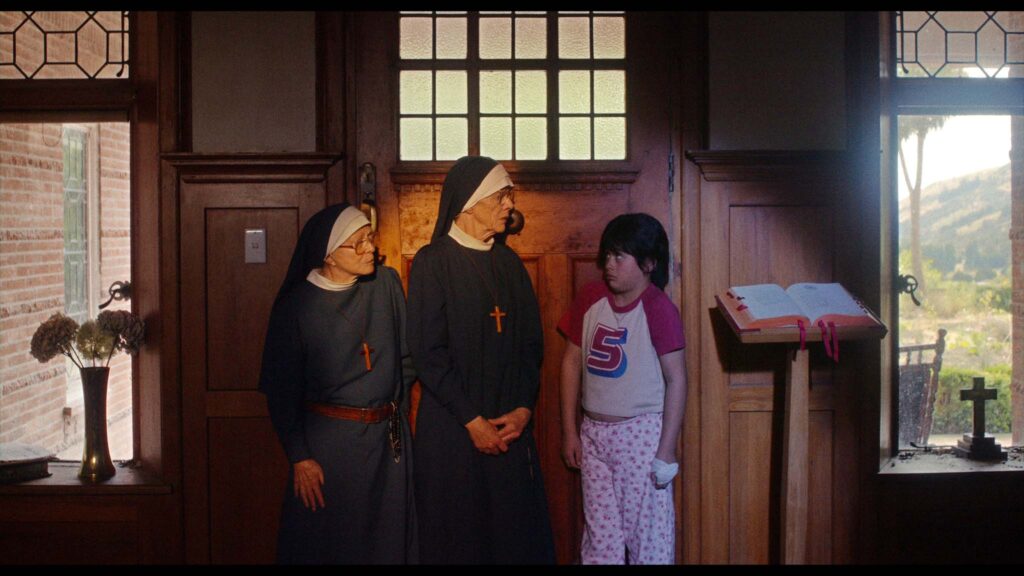
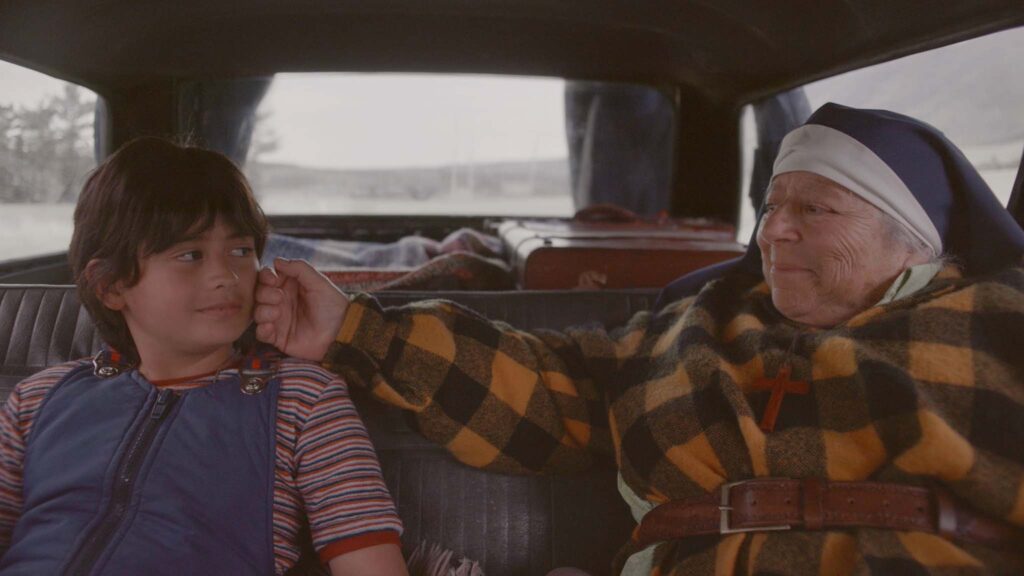
Review: Nuns go on the run to save their beloved convent from demolition in a freewheeling road trip written and directed by Nathalie Boltt. Based on Joy Cowley’s novel, Holy Days looks to the heavens for divine comic inspiration but No One answers the film’s prayers so Boltt’s script relies on broad humour – including loose dentures tumbling out of a sister’s mouth – to stifle yawns. Were it not for a luminous performance from first-time actor Elijah Tamati, reminiscent of Julian Dennison’s star-making turn in Hunt For The Wilderpeople, this intergenerational odyssey might chug along on exhaust fumes for stretches of its 101-minute running time.
Sisters Agnes (Judy Davis), Luke (Miriam Margolyes) and Mary Clare (Jacki Weaver) are the “last of the dinosaurs” at their ramshackle convent in 1974 New Zealand. They diligently tended to a dwindling flock and each other, especially Sister Luke who is in the tightening grip of dementia and requires constant supervision. A mischievous 10-year-old boy named Brian Collins (Tamati) is a regular visitor. His mother Paula is buried in the convent grounds and he is struggling to accept his father Joe (Craig Hall) has met a new partner, Liz (Boltt), who will supplant his mother’s belongings in the master bedroom closet.
After a run-in at home, Brian seeks refuge in a confessional booth and overhears Father Findlay (Jonny Brugh) colluding with Bishop Chaytor (John Bach) to sell off the convent land to a property developer. Moreover, they intend to consign Sister Luke to Nazareth Place “where they tie people to the beds”. Once the sisters learn about Father Findlay’s underhand scheme, they embark on an impromptu mercy mission in a stolen car to South Island to recover the convent deeds. Cheeky urchin Brian joins the wimpled trio because his mother was born on South Island and he can reconnect with his Māori roots.
Holy Days is a well-intentioned but old-fashioned yarn that doesn’t stretch the three leads. Margolyes is gifted the showiest role of the trio because of her character’s declining brain functions. Thus, she forgets people and facts mid-sentence and generally misbehaves at inopportune moments. When Sister Agnes despairs that Sister Luke’s prescribed medication is doing a “fat lot of good”, the ailing nun is aghast. “I’m not fat,” she shrieks. “I’m just easy to see!” So are the ways that Boltt plucks heartstrings and helps little Brian move through the denial stage of grief towards acceptance.
When Boltt’s script moves away from fart gags and elicits appreciative giggles, it’s often thanks to young Tamati’s wonderful deadpan delivery. Sister Agnes asserts, with faltering confidence, that she has decades of experience driving a car and Brian quickly counters from the back seat, “Not this decade”. Out of the mouth of a scene-stealing babe.
Find Holy Days in the cinemas
Drama
Sunny Dancer (15)
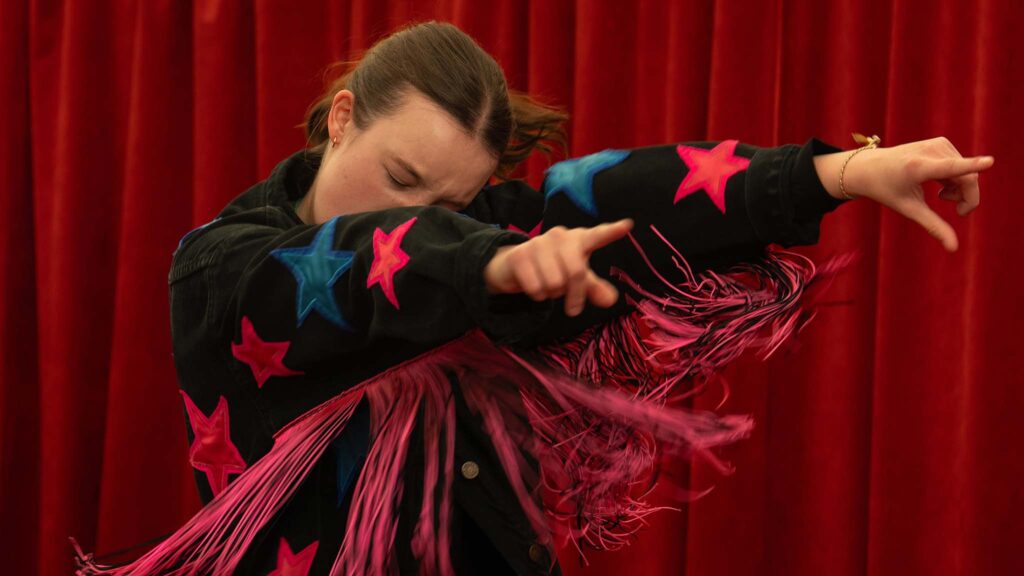
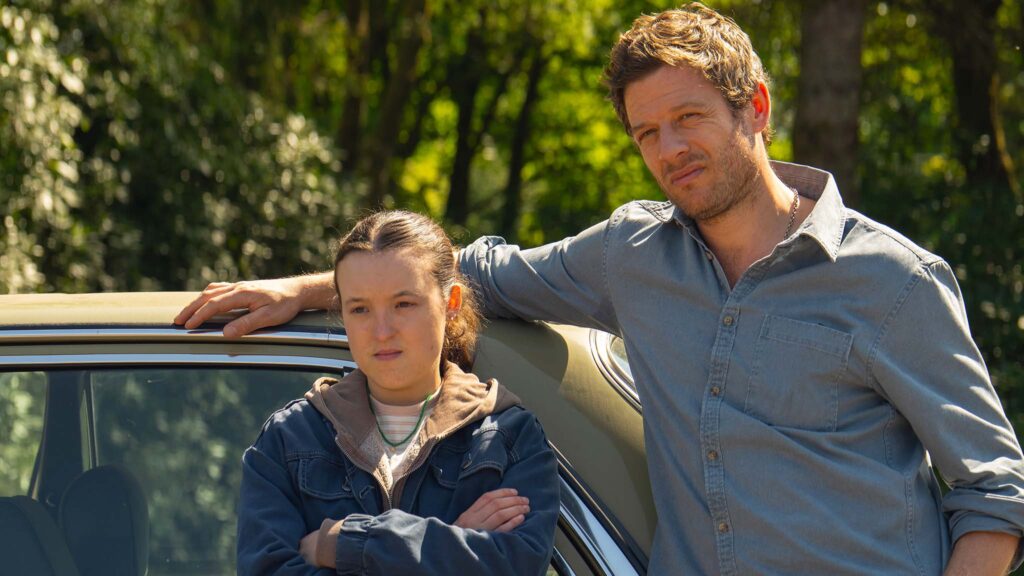
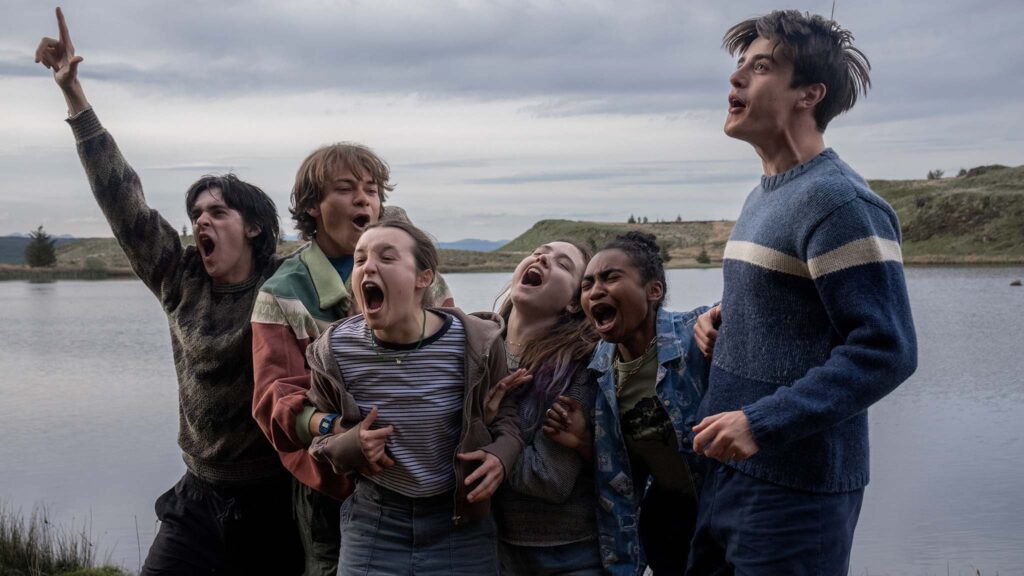
Review: Life is how you mix it. During a moment of emotional vulnerability in Sunny Dancer, a trained therapist likens the act of grief counselling to making a glass of fruit cordial. Each session adds water to feelings of sadness and regret, reducing the intense pain until, eventually, they become tolerable. The drinks-making analogy applies just as well to writer-director George Jaques’ coming-of-age drama. The filmmaker starts strongly, serving many of his most impactful scenes in the opening hour, but dilutes a life-affirming message with predictable narrative choices in the final stretch.
His spirited heroine is 17-year-old Ivy (Bella Ramsey), who has been supported by her parents, Bob (James Norton) and Karen (Jessica Gunning), as she suffered from leukaemia. She is now 10 months into remission but has yet to rediscover her joyful spark or re-establish friendships with people her age. Her parents intervene and sign her up for a four-week summer camp for children who have been touched by cancer, in the Scottish Highlands, run by director Patrick (Neil Patrick Harris) and his team.
Ivy is openly hostile to Children Run Free’s mandated cheerfulness and camaraderie, but she gradually befriends her cabin roommate Ella (Ruby Stokes), who plans to lose her virginity to dreamy activities director Tristan (Louis Gaunt). Ella introduces Ivy to her inner circle of returning faces: Archie (Conrad Khan), Jake (Daniel Quinn-Toye), Maisie (Jasmine Elcock) and Ralph (Earl Cave). As the summer unfolds, Ivy’s resistance softens and she becomes a carefree, rebellious and fun-loving child again. She also experiences a frisson of sexual attraction to blue-eyed softie Jake and learns valuable life lessons from no-nonsense nurse Brenda (Josie Walker) and camp counsellor Lucy (Shalom Brune-Franklin).
Shot on location at Auchengillan Outdoor Centre near Loch Lomond in Scotland, and rugged surrounding areas, Sunny Dancer bullishly tackles sensitive themes with potty-mouthed wit and unvarnished candour, channelling outbursts of rage and dismay through Ramsey’s guilt-riddled heroine. Harris’s potentially throwaway supporting character delivers a dizzying sledgehammer blow that allows him to showcase his acting chops.
Stokes provides injections of broad comic relief and Jaques’ script manages to sidestep dramatic landmines of his own making by imagining a forthright 17-year-old character who actively pursues a 24-year-old man. Ramsey’s screen chemistry with Quinn-Toye is sweet and their respectfully staged scenes of intimacy capture the innocent awkwardness and impatience of youth. Jaques presses the play button on the film’s exuberant anthem, I Don’t Feel Like Dancin’ by Scissor Scissors, one time too many and he telegraphs the film’s ending through a metaphorical megaphone, preparing us so far in advance for the fallout that attention is drawn too readily to his screenwriting sleight of hand. If you already know the final reveal, you pay closer to attention to how the trick is done.
Find Sunny Dancer in the cinemas
Drama
Tony (15)
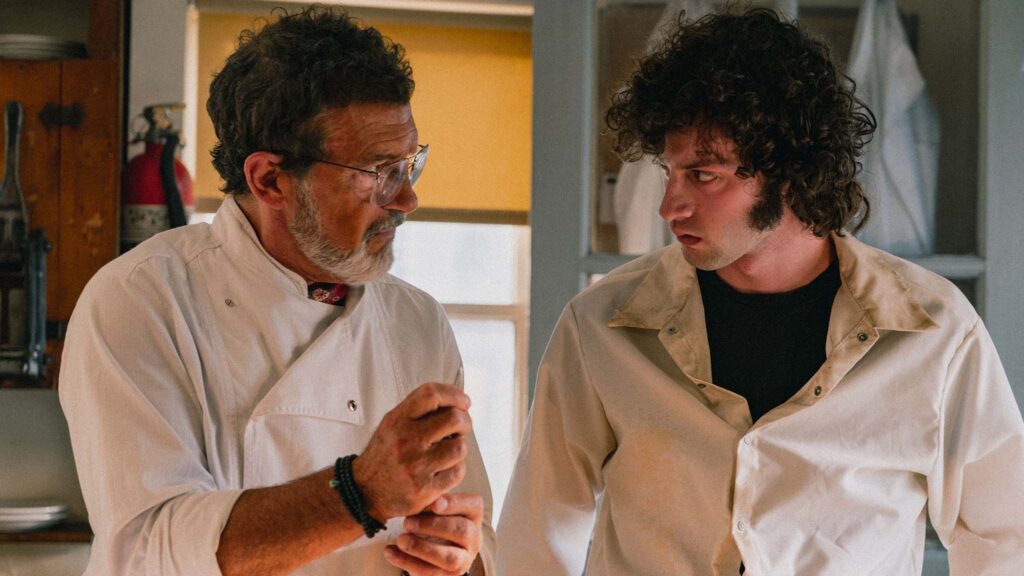
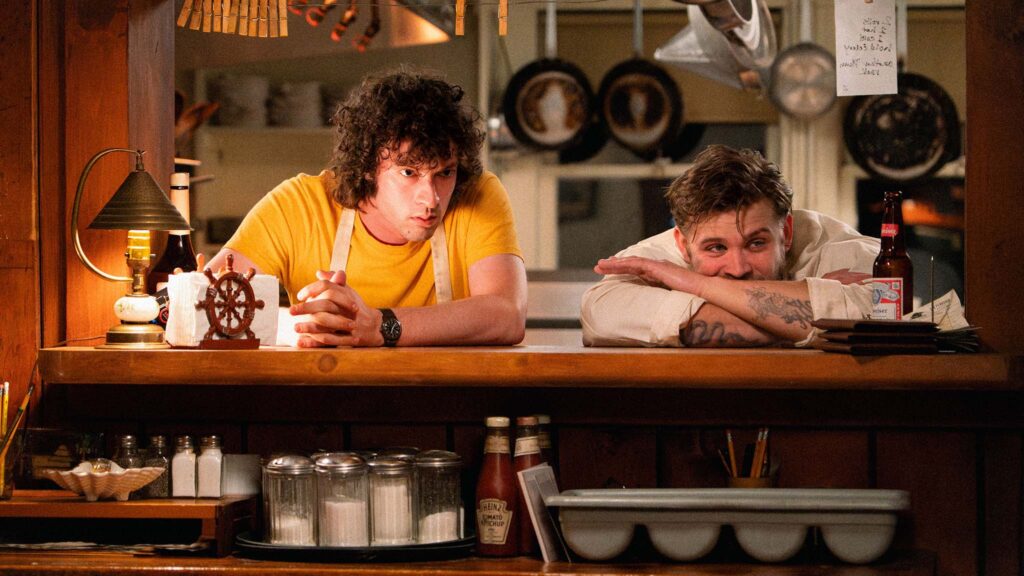

Review: Director Matt Johnson’s tasty biopic of Anthony Bourdain opens with choice words from the revered chef’s nonfiction bestseller, Kitchen Confidential: Adventures In The Culinary Underbelly. Bourdain’s scathingly honest assessment of his own weaknesses, before hubris and the responsibilities of adulthood slapped him squarely about the face, are on full, discomfiting display in Tony.
Johnson’s picture marinades in the summer of 1975. Nineteen-year-old Anthony (Dominic Sessa) is overbrimming with confidence and assures his parents Pierre (Rich Sommer) and Gladys (Dagmara Dominczyk) and younger brother Christopher (Liam Fitch) that he will be the proud recipient of a residential summer writing scholarship. When the scholarship committee fails to recognise his immeasurable talents, Tony (as he prefers to be addressed) steals money from his parents to finance an impromptu trip to Provincetown on Massachusetts’ picturesque Cape Cod to chase after a girl called Nancy (Emilia Jones).
Unfortunately, she has a boyfriend – the owner of the pizzeria where she now works – and Tony drowns his sorrows in a local seafood restaurant, where he offends his server Mary (Monica Raymund). The resident Brazilian-born chef (Antonio Banderas) forcefully ejects Tony from his establishment and at the end of the night, the alcohol-soaked newcomer is still languishing unconsciousness in a gutter. Chef takes pity on his abusive customer and offers Tony a hammock on the porch of his summer house. Tony tells fibs about having worked in a restaurant before and Chef allows him to wash dishes and observe the controlled chaos in the kitchen between co-workers Sal (Leo Woodall), Dimitri (Stavros Halkias) and Tyrone (Michael Jibrin). Chef’s passion for cooking inspires Tony and he dares to dream big but the teenager’s tower of lies is destined to collapse with calamitous consequences for everyone around him.
Tony does not deceive to flatter its charismatic subject, drawing inspiration from sections of Kitchen Confidential to paint a vivid portrait of a young man destined for an almighty fall from grace that will draw blood (and deservedly so). A scintillating lead performance from Sessa embraces every glorious facet of Bourdain, who feels like a fully formed and fatally flawed character in a polished script credited to four writers. Banderas is delightful as the kind-hearted mentor, whose generosity may come back to bite him when he least expects it, and Woodall relishes the sharp edges of his coke-fuelled womaniser who takes notches from door frames with a pen knife to indicate his trail of one-night stands.
The sweet sentimentality of the film’s final course is surprisingly heavy-handed after the well-balanced tartness, salt and spice of the opening hour. However, Johnson keeps his expertly choreographed service on track by garnishing any crowd-pleasing excesses with flecks of ribald humour.
Find Tony in the cinemas